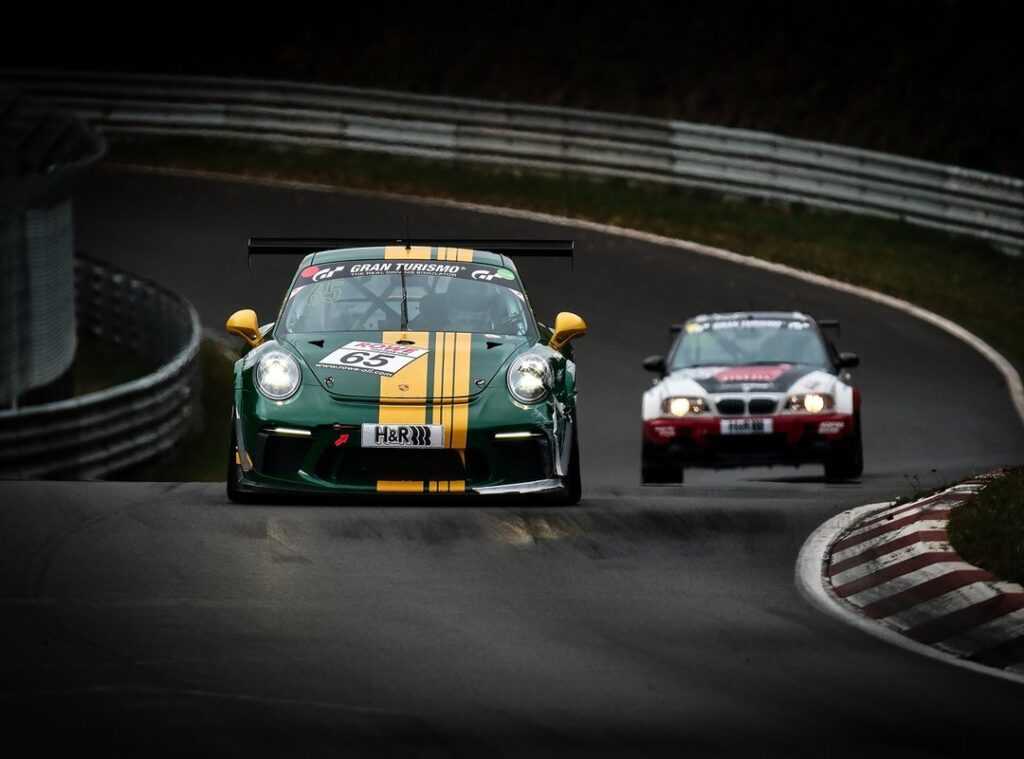
Tires scream. Smoke rises. A driver leans hard into the turn, knuckles white on the wheel.
That’s racing today.
But fifty years ago? Different cars. Different rules.
Different risks.
I’ve watched races from the grandstand and sat in the garage. I’ve seen engines go from carbureted growls to electric whines.
You ever wonder how we got here?
The Evolution of Racing Fmbmotoracing isn’t just about faster lap times.
It’s about safety gear that saves lives. It’s about fuel rules that changed plan overnight. It’s about fans who used to hear engines before they saw cars.
Most people love watching racing (but) don’t know where it came from.
They miss why a 1950s Le Mans run feels nothing like a modern Formula E race.
That gap matters.
Because if you don’t know how far it’s come, you can’t really feel how fast it’s still moving.
This article walks through that change (no) fluff, no jargon, just clear shifts that mattered.
You’ll see what stuck, what vanished, and what surprised even the engineers.
By the end, you’ll watch the next race differently.
You’ll spot the legacy in every overtake.
You’ll understand why this sport keeps evolving (and) why that evolution is worth your attention.
Chariots, Craziness, and Crankshafts
I watched a chariot race in Rome once. Not live—obviously (but) on grainy footage. Those drivers leaned hard into turns, dust flying, horses straining.
People screamed. They always have.
That’s where The Evolution of Racing Fmbmotoracing starts (not) with engines, but with pulse.
You think early cars were built for racing? Nope. They were noisy, smelly, broke down every five miles.
So people just… raced them anyway.
The Paris-Rouen race in 1894 wasn’t about speed records. It was a reliability trial. (They called it “the competition for horseless carriages.” Yes, really.)
Just leather caps and hope.
Drivers sat exposed. No seatbelts. No helmets.
Roads were rutted gravel or mud. A flat tire meant walking ten miles to find help. Or giving up.
Some cars used steam. Others ran on ethanol. One even burned turpentine.
(Yes, turpentine.)
These weren’t racers. They were tinkerers who hated waiting.
You ever try starting a 1901 Panhard by hand? I have. Took six tries and a blistered palm.
The first real auto race (the) one that looked like what we know. Was Paris-Bordeaux-Paris in 1895. Average speed: 15 mph.
Top speed: maybe 25.
It felt like flying.
If you want to see how raw and real this all got, check out Fmbmotoracing.
No filters. No polish. Just metal, fire, and nerve.
Racing Got Real in the 1920s
I watched old footage once. Cars bouncing down dirt roads, drivers in leather caps, no seatbelts, no helmets (just) speed and dust. That was before the 1920s.
Then everything changed.
Dangerous. Necessary.
After World War I, racing stopped being a side show for rich amateurs. It became serious. Fast.
Manufacturers like Bugatti and Alfa Romeo built cars only for racing. Not souped-up street cars. Real race cars.
Lighter. Stiffer. Built to scream around corners (not) grocery stores.
Tracks followed. Brooklands opened in 1907, but the 1920s gave us Monza (1922) and the Nürburgring (1927). Concrete.
Banking. Grandstands. People came to watch (not) just wander by.
Rivalries heated up. Alfa vs. Bugatti.
Mercedes vs. Bentley. You picked a side like football teams.
Fans knew engine specs before breakfast.
Speeds jumped past 120 mph. Brakes failed. Tyres blew.
Drivers died. Safety? A padded wall.
A rope barrier. A lucky escape.
No one called it The Evolution of Racing Fmbmotoracing back then. They just called it racing (and) hoped you lived through Sunday.
You think today’s safety gear is overkill? Try imagining racing with nothing but goggles and prayer.
We kept building faster. We kept crashing harder. Then we started learning.
That’s how real progress works.
After the War: Racing Took Off
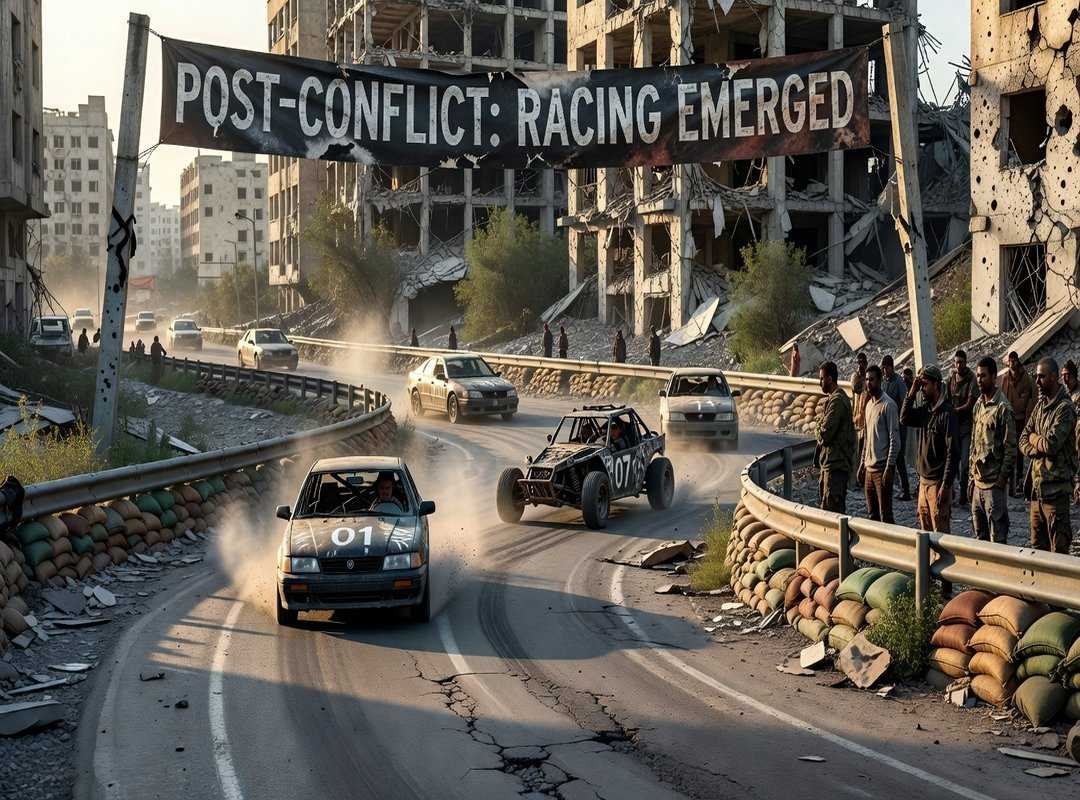
I watched old footage of those early F1 races. Smoke. Noise.
Drivers in open cockpits with no seatbelts. (Yeah, really.)
The war ended. Factories switched from tanks to race cars. Engines got bigger.
Speeds jumped. Fast.
Formula 1 started in 1950. It was about pure speed on tight European street circuits. Think Monaco’s harbor roads (narrow,) bumpy, unforgiving.
NASCAR fired up in the American South. Dirt tracks. Stock-bodied cars.
Drivers who knew every inch of Daytona before it was paved.
Le Mans? Twenty-four hours straight. Drivers swapping in and out.
Cars built to last, not just win one lap.
Fans showed up by the thousands. In Italy. In Japan.
In Brazil. Racing wasn’t just European anymore.
Juan Manuel Fangio won five world titles. Stirling Moss never did. But everyone still talks about him.
Their stories weren’t polished. They were raw. Human.
Dangerous.
Tires melted. Wings didn’t exist yet. Engineers tested ideas on Sunday morning and raced them by noon.
Brake fade? You lived with it. Overheating?
You pushed harder.
This era built the foundation for everything that came after. Including this guide.
The Evolution of Racing Fmbmotoracing starts here.
No computers. No telemetry. Just guts, gasoline, and gravel.
Racing Got Smarter. And Safer.
I watched my first race in the 90s. Cars sounded like angry bees and drivers wore helmets that looked like lunchboxes. (They were not safe.)
Then computers moved into the garage. Not just for lap timing. For real-time airflow modeling, tire temp mapping, brake bias tweaks mid-corner.
I used to guess how much downforce a wing added. Now teams know within 0.3%.
Safety didn’t wait for tragedy. Chassis got stronger. HANS devices stopped neck snaps.
Medical crews arrive before the car stops. You think that’s overkill? Ask any driver who walked away from a 180 mph crash.
Simulators aren’t video games. They’re where rookies learn Monaco’s kerbs before they ever smell fuel. Where engineers test 200 setups in one afternoon.
Where drivers rehearse disasters so they react instead of panic.
This isn’t man vs machine. It’s man with machine. Pushing limits while keeping both alive.
The Evolution of Racing Fmbmotoracing shows how fast safety caught up with speed. You still need reflexes. But now you also need data literacy, system awareness, and trust in engineering you can’t see.
Worried about risk? You should be. But not the way you were in 1995. learn more
Your Next Lap Starts Now
I’ve shown you how racing grew from dusty chariot races to screaming F1 machines. You didn’t just read facts. You felt the weight of centuries in every gear shift.
That confusion you had? That gap between “what’s happening on screen” and “why it matters”? Yeah.
That’s gone now.
The Evolution of Racing Fmbmotoracing isn’t just dates and engines. It’s people risking everything for speed. It’s engineers solving impossible problems with duct tape and genius.
It’s the same fire that lit ancient stadiums (still) burning today.
So next time you watch a race, stop scrolling. Lean in. Hear the engine not just as noise.
But as history accelerating.
You already care about the thrill. Now you get the story behind it. That changes everything.
Go watch a race this weekend. Not just to see who wins. But to feel the full weight of where it all began and how far it’s come.
Then tell me what surprised you most.
Do it.