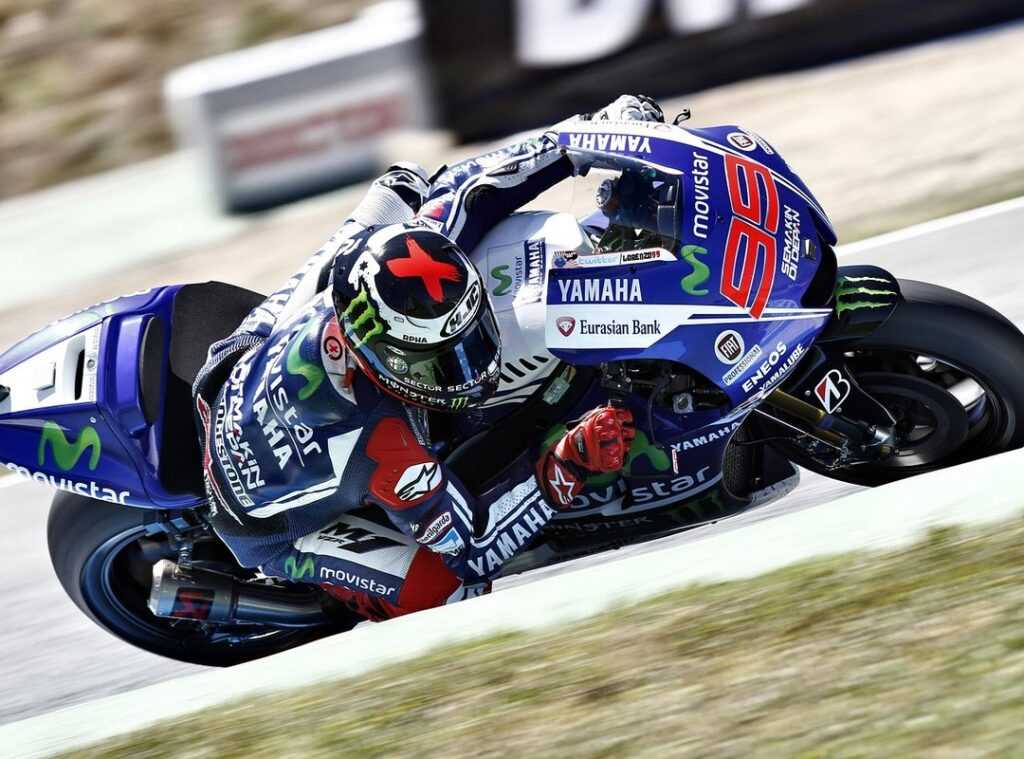
Is motorcycle racing safe? You’re already asking that. I asked it too (right) before my first track day.
It’s not a dumb question. Speed looks dangerous. Crashes look brutal.
And yeah (they) can be.
But here’s what nobody tells you: racing isn’t just raw risk. It’s layers of safety built over decades. Better gear.
Smarter tracks. Real-time medical response. (And no, I’m not talking about marketing fluff.
I mean stuff that actually stops broken bones.)
Is Motorcycle Racing Safe Fmbmotoracing isn’t about saying “yes” or “no.”
It’s about knowing what makes it safer than it used to be. And where the real dangers still live.
You don’t need hype. You need facts that match what you see on the track. That’s what this is.
I’ll walk you through the actual risks. Not the fear-based headlines. What works.
What doesn’t. it riders control (and) what they can’t. You’ll leave knowing whether you should ride, watch, or walk away. No guessing.
No jargon. Just what matters.
Why Motorcycle Racing Isn’t Safe. And Why Riders Still Do It
Is Motorcycle Racing Safe Fmbmotoracing? Let’s be real: it’s not. I’ve seen riders walk away from 130 mph crashes.
I’ve also seen them not walk away.
Speed is the first problem. You’re exposed. No seatbelt.
No airbag. No roof. Just you, the bike, and physics.
One twitch on the throttle at the wrong moment? That’s a highside. One late brake?
That’s a lowside.
Riders run inches apart. A front wheel wobbles. A rear tire slides.
Someone blinks. Someone misjudges. Contact happens.
It’s not if (it’s) when.
Crashes hurt differently on two wheels. Road rash eats through skin like sandpaper. Broken collarbones are almost routine.
Concussions sneak up later. You don’t feel them until you forget your keys twice in one day. (That happened to my friend.
Took three months to clear.)
Cornering is where most crashes start. Leaning too deep. Braking too late.
Many enthusiasts wonder about the safety of motorcycle racing, leading to a closer look at resources like Fmbmotoracing.
A bump changes everything. Sudden braking in a pack? That’s how dominoes fall.
The adrenaline feels like control. But fear shows up too. Right before the red flag drops.
You ask yourself: Is this worth it?
Then the engine fires. And you know the answer.
Racing isn’t safe. It never will be. But for some of us, that’s the point.
Your Gear Is Not Optional
I wear full-face helmets. Snell or ECE approved. No exceptions.
You think a DOT sticker is enough? It’s not.
Leather racing suits must be one-piece. Zippers lock in place. Road rash isn’t just painful.
It’s preventable. This gear stops skin from shredding at 80 mph.
Racing boots cover the ankle. They don’t flex like street boots. Gloves have knuckle armor and palm sliders.
You’ll crash. Your hands hit first.
Back protectors go inside the suit. Chest protectors too. They’re optional on paper.
In reality? I’ve seen riders walk away because of them.
This isn’t fashion. It’s physics. Gear absorbs impact.
Is Motorcycle Racing Safe Fmbmotoracing?
Only if you treat safety gear like oxygen. Not an afterthought.
It scrapes instead of you do.
You skip the back protector once. You get lucky. Next time, the spine doesn’t get a second try.
One-piece suit. Full-face helmet. Boots that don’t bend sideways.
Gloves that don’t tear. That’s your baseline. Not “nice to have.” Not “for pros only.”
You think your $300 helmet is fine? Test it: drop it on concrete. Hear that crack?
That’s your skull speaking.
Buy less junk. Spend more on what stops broken bones. Your future self will thank you.
Or won’t be around to say anything at all.
How Tracks Keep Riders Alive
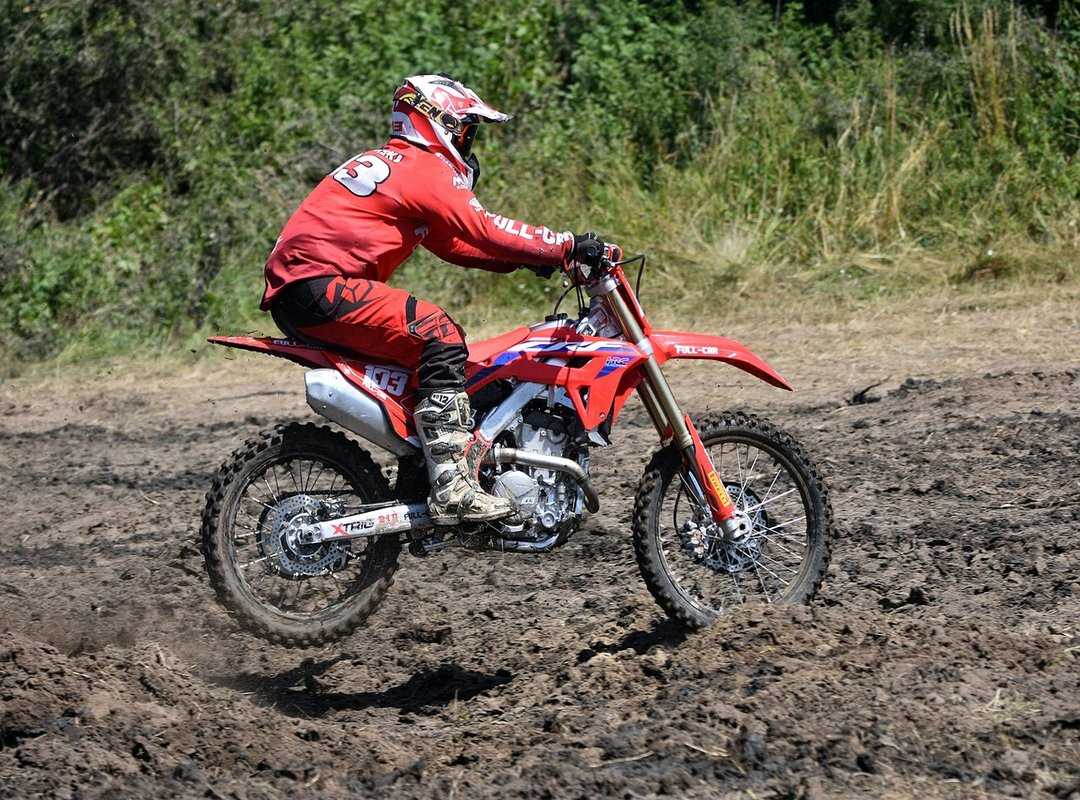
I’ve watched riders slide into gravel traps and walk away. That’s not luck. It’s design.
Run-off areas are wide on purpose. Gravel slows bikes fast. Air fences absorb impact like a giant cushion.
They’re not decorations. They’re the difference between a broken collarbone and something worse.
Race officials watch every corner. Flag marshals stand ready with yellow, red, and black flags. Medical teams sit in pit lane with defibrillators and trauma kits. right there, not down the road.
You think they’re just watching? Try getting waved off for weaving through traffic at Turn 4.
Every bike gets torn apart before race day. Brake pads checked. Suspension bolts torqued.
Chain tension measured twice. If it fails on track, someone pays with skin. Or worse.
Rules aren’t suggestions. No blocking. No late braking into blind corners.
No passing under yellow. Break them, and you’re gone. Simple.
Rider briefings happen every time. Track walk-throughs show where the asphalt cracks, where the runoff narrows, where the wind shifts mid-corner. You ever ride a line you didn’t know was slick until your front end washed out?
But safe doesn’t mean risk-free. It means respect. Preparation.
Is Motorcycle Racing Safe Fmbmotoracing? It’s safer than it used to be. And the evolution of racing fmbmotoracing proves it.
Consequences.
Rider Skill Is Not Optional
I crashed my first track day because I braked too late. Not because the bike failed. Not because the track was wet.
Because I did not know how to brake.
Rider skill matters more than horsepower or tire compound. It’s the difference between a slide and a crash. Between reading a corner and guessing.
Track days come before racing. Riding schools come before track days. Skip that order and you’re betting your spine on luck.
(Spoiler: luck runs out.)
Braking technique alone cuts crash risk by over 40% in amateur races (data) from FIM safety reports, not guesswork. Same with body positioning. Same with corner entry speed.
These aren’t tips. They’re physics you ignore at your own risk.
Focus under pressure isn’t mental toughness. It’s muscle memory built over hundreds of laps. You don’t think in a panic stop.
You react. And that reaction is trained. Or it isn’t.
Racing classes separate novices from experts for a reason. Putting a first-year rider against someone with 10 years’ track time isn’t fair. It’s dangerous.
So is motorcycle racing safe Fmbmotoracing?
Only if you treat skill like oxygen. Not optional, not negotiable, not something you wing.
Want real-world proof of how training changes outcomes? learn more
Real Talk About Risk and Riding
Motorcycle racing isn’t safe.
But it’s not reckless either.
I’ve seen riders walk away from crashes that looked impossible. I’ve also watched safety gear fail when it shouldn’t have. That tension.
Between thrill and consequence. Is real.
You already know Is Motorcycle Racing Safe Fmbmotoracing isn’t a yes-or-no question. It’s about layers. Advanced gear.
Track design built for runoff, not walls. Organized events with medical on standby. Training that treats cornering like math, not instinct.
These things don’t erase danger. They shrink it. Sharply.
So ask yourself: What’s your line? How much risk feels earned, not ignored? Because showing up unprepared isn’t bravery (it’s) borrowing trouble.
If you’re serious, skip the ego. Skip the YouTube tutorials. Start with a certified track day.
Get coached. Get feedback. Get comfortable being uncomfortable (safely.)
That’s how you test the sport without testing fate.
Go do that first.