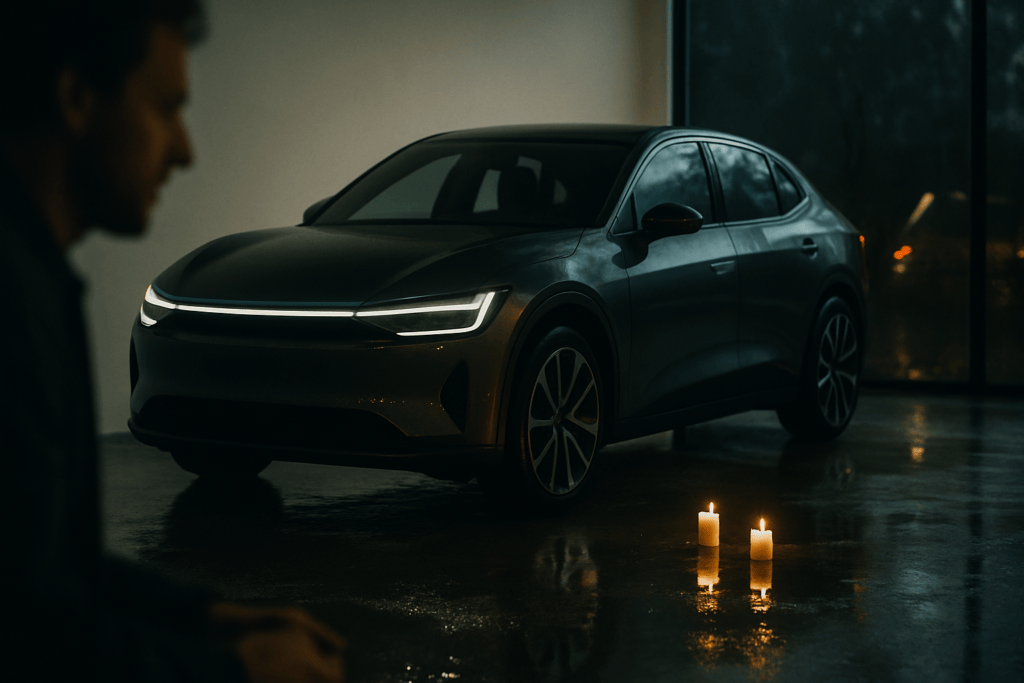
A city van has a hard life. Honestly, it does. It gets squeezed into loading zones that were clearly designed by someone who has never reversed anything larger than a shopping trolley; it cops speed bumps, potholes, frantic courier runs, school traffic, underground car parks with rude height limits and customers who say, “Just park out front” as if that solves physics. So when businesses start looking at an urban electric cargo van, it’s not just because electric vehicles are having a fashionable moment. It’s because city work is weirdly suited to electric driving. Stop. Start. Stop again. Creep forward. Brake. Repeat.
The funny thing about work vans is nobody notices them until they’re in the way. They’re the background characters of Australian cities. Parked outside cafés at 6 am, wedged behind apartment blocks, humming along industrial estates, hauling parcels, tools, flowers, bread trays, air-con parts, dog grooming gear and, occasionally, something mysterious wrapped in blue tarp. A bit of everything, really.
For years, the default answer was diesel. You bought a van, put fuel in it, grumbled about servicing and carried on. That was the rhythm. But cities are changing. Fuel prices keep doing their little circus act, councils are thinking harder about emissions and businesses are being asked uncomfortable questions by customers, suppliers and sometimes their own staff. “Why are we still doing it this way?” That is one of those questions that sounds simple until it lands on someone’s desk with a spreadsheet attached.
Electric commercial vans are becoming part of the answer.
Not the whole answer. Let’s not get carried away. A van still has to be practical before it gets to be inspiring. If it can’t carry the load, fit down the lane, charge at the right time or survive a day of ordinary business chaos, then it’s just an expensive statement piece with sliding doors. Nobody needs that.
The Farizon V7E is interesting because it seems aimed at the unromantic middle of the market. The actual slog. It’s described as a purpose-built electric van for urban work, with up to 329 km of range, 6.95 cubic metres of cargo volume and a listed payload capacity of 1,338 kg. That’s the sort of combination that makes fleet people lean forward slightly, not because it’s flashy but because it sounds usable. Couriers, contractors, city fleets and smaller operators trying to stop bleeding money into fuel. That crowd.
I’ve got a soft spot for this kind of vehicle because, years ago, I helped a mate do weekend deliveries around inner Sydney. Not as a job, more as unpaid labour disguised as friendship. We spent half the day hunting for legal parking, the other half climbing in and out of a van that had the turning circle of a sleepy whale. The cabin rattled. The engine complained. We complained louder. By 3 pm, I remember thinking the vehicle itself was almost another coworker, and a cranky one at that.
That’s where electric vans sneak up on you. The benefits aren’t only about emissions, although that matters. It’s the quieter cabin. The smoother low-speed driving. The instant torque when you need to duck through traffic. The reduced vibration. The fact you’re not idling a diesel engine outside someone’s townhouse while trying not to look guilty.
Small wins. They add up.
For urban operators, manoeuvrability is a big deal. People outside the industry sometimes focus on load space alone, but in dense suburbs, a van’s footprint can make or break the day. Can it tuck into tight streets? Can it handle frequent stops without feeling like a barge? Is the loading height kind to the driver who has already lifted 73 boxes before morning tea? Practical stuff. Very practical. And not the kind of thing you want to discover after the purchase order is signed.
Charging, of course, is where the conversation gets spicy.
Everyone has a charging story now. Someone’s cousin couldn’t find a working charger. Someone on LinkedIn reckons it’s all solved. Someone else says the grid will collapse by Thursday. The truth is less theatrical. For a lot of city fleets, depot charging is the neatest pathway. Bring the van back at the end of the day, plug it in overnight and send it out again in the morning. Boring. Beautifully boring. Public charging can be helpful for top-ups, but relying on it every day can become a logistical treasure hunt with worse snacks.
That means businesses need to think about their actual routes, not imaginary perfect ones. How far does the vehicle travel daily? How much time does it spend parked? Does it return to base? Is there room for chargers? Who makes sure vehicles are plugged in? It sounds obvious, but obvious things have a nasty habit of going missing when everyone is busy.
And businesses are busy.
The best EV transition probably isn’t dramatic. No fireworks. No heroic “we replaced everything overnight” announcement. Start with one route. Choose the van that suits that route; track the costs, the charging habits, the driver feedback and the awkward bits nobody predicted. Then expand if it works. That’s not timid; that’s grown-up.
There’s a customer-facing side too, even if we pretend we don’t care. A clean, quiet electric van arriving outside a shop or home sends a signal. It says the business is paying attention. Not in a preachy, halo-polishing way. More like, “We’ve noticed the world has moved on a bit and we’re not stuck in 2009.” Customers might not mention it, but they do notice. Especially younger customers and procurement teams who have sustainability boxes to tick.
Still, the vehicle has to earn its keep. That’s the entire point. If an urban electric van can lower running costs, reduce noise, suit short delivery loops and handle the daily punishment of city work, then it’s not a novelty. It’s just a better tool for a particular job.
Like a cordless drill, really. Once tradies trusted them, nobody wanted to drag extension cords around forever.
There will be businesses where electric vans don’t fit yet. Long regional routes, unpredictable mileage, heavy towing, poor charging access. Fair enough. But for dense metro work, especially where vehicles return to base and cover repeatable routes, the argument is getting stronger by the month.
The city van isn’t going away.
It’s just getting quieter, cleaner and maybe a little less cranky. Which, if you’ve ever spent a hot afternoon unloading boxes in a laneway while traffic honks behind you, feels like a small miracle.