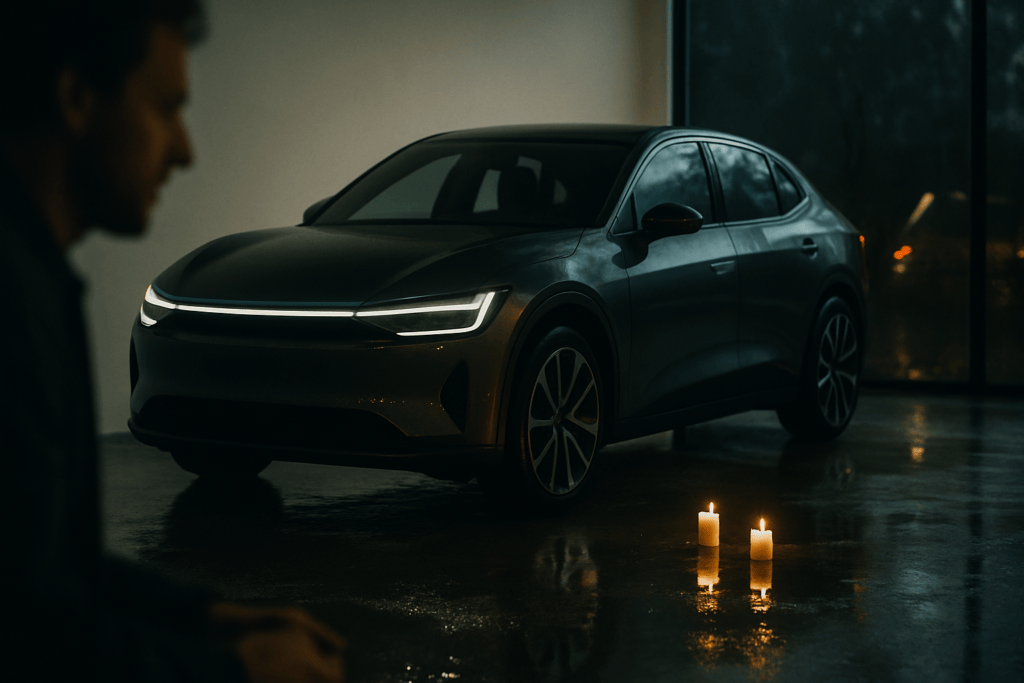
Imagine driving down the highway at full speed in your new electric car. You approach a sudden traffic jam, press your foot against the brake pedal, and feel absolutely no response. The vehicle keeps moving, panic sets in, and you brace for an unavoidable rear-end impact.
This terrifying scenario is a growing reality for some electric vehicle owners. When an electric vehicle’s braking system malfunctions and results in a crash, it is rarely a standard traffic accident. Instead, it becomes a highly technical product liability issue. Proving that a computer or sensor failed mid-drive requires looking far beyond a standard police report.
Understanding why EV brakes fail and knowing who is legally responsible is critical for protecting your family, your finances, and your rights after a crash.
Understanding EV Braking
What is the exact difference between regenerative braking and traditional friction braking? In a standard gas-powered car, pressing the pedal uses hydraulic pressure to clamp physical brake pads onto a metal rotor. This physical friction is what stops the vehicle. Electric vehicles handle the stopping process entirely differently.
Electric cars primarily rely on a system called regenerative braking. When you lift your foot off the accelerator, the electric motor reverses its normal function. It acts as a generator to slow the car down while recapturing kinetic energy to recharge the main battery. This process allows drivers to slow down smoothly without ever touching the actual brake pedal.
Physical friction brakes are still present in modern electric vehicles. They serve as a backup or a supplement for sudden, hard stops. However, a complex computerized system controls these physical brakes rather than a purely mechanical connection. A central computer dictates exactly when to blend the regenerative motor resistance with the physical friction pads to bring the car to a safe halt.
Why Would an Electric Car’s Brakes Suddenly Stop Responding?
Can a software glitch or sensor error actually cause your car to crash? Yes, and it happens by misinterpreting data and completely disabling the braking system. Because the stopping process relies heavily on computer commands, bad data can lead to catastrophic results on the road. If a sensor misjudges the vehicle’s speed, the software might incorrectly turn off the braking system just when you need it most.
This technological reliance creates specific dangers for features like “One Pedal Drive” and automatic brake assist. Many EV drivers use One Pedal Drive to navigate traffic simply by easing off the accelerator. If the software governing this system fails mid-drive, the car will continue coasting at high speeds. This completely surprises the driver and significantly increases the risk of a high-speed collision.
Battery limitations also play a surprising role in brake responsiveness. If an electric vehicle’s battery is fully charged, it cannot accept any more energy from regenerative braking. Similarly, an excessively cold battery limits energy intake. In these situations, the regenerative braking system might temporarily disable itself. A driver expecting the car to slow down automatically will suddenly have to press the physical pedal extremely hard.
Beyond software bugs, physical and mechanical failures remain a serious threat. Modern electric cars feature miles of complex wiring harnesses that transmit signals from the pedal to the braking module. An electrical short in this modern wiring can sever the communication to the physical brakes. This instantly turns the vehicle into an unguided hazard on the highway.
To hold massive automakers accountable, victims need a specialized legal team equipped with the technical investigators required to prove manufacturer negligence. Reaching out to an experienced electric vehicle accident attorney is the most effective way to secure the experts needed to investigate these complex computer systems.
Real-World EV Brake Recalls
Catastrophic brake failures are well-documented industry issues, not just isolated complaints from a few confused drivers. Automakers are struggling to perfect the delicate balance between complex software engineering and basic vehicle safety. Recent recall data highlights just how widespread these manufacturing defects have become.
Software failures have completely disabled braking systems in thousands of vehicles. For example, in June 2025, Volvo recalled over 14,000 EVs and PHEVs due to a software malfunction that could disable braking entirely in “One Pedal Drive” mode. The defect occurred if a driver coasted downhill for over 100 seconds, leaving them without any stopping power.
Wiring defects present another massive vulnerability for modern electric cars. In July 2025, Chevrolet recalled over 40,000 Blazer EVs because a wiring harness issue could cause parking brakes to fail or engage unexpectedly. An unexpected brake engagement at highway speeds is just as dangerous as a total failure.
Physical pedal failures continue to plague even the newest models hitting the market. In October 2024, Stellantis recalled nearly 45,000 plug-in hybrid SUVs globally because the brake pedals could collapse when pressed. A pedal snapping under pressure renders the entire hydraulic braking system useless.
| Manufacturer | Recall Date | Vehicles Affected | Defect Description |
|---|---|---|---|
| Volvo | June 2025 | 14,000+ | Software disabled brakes completely in One Pedal Drive mode. |
| Chevrolet | July 2025 | 40,000+ | Wiring harness issue caused parking brakes to fail or engage randomly. |
| Stellantis | October 2024 | 45,000+ | Physical brake pedals collapsed and broke when pressed. |
Who Is Liable When EV Brakes Fail?
If your EV’s brakes fail and you crash, is it your fault or the manufacturer’s? This is the most pressing question injured drivers ask after an accident. Law enforcement officers at the scene often default to blaming the driver for rear-ending another car or leaving the roadway.
However, you must understand the crucial difference between standard driver error and manufacturer product liability. Driver error involves deliberate or careless actions like speeding, texting, or driving under the influence. Product liability comes into play when the vehicle itself fails to operate safely as intended due to a design or manufacturing flaw.
If a mechanical defect, software glitch, or sensor malfunction caused the crash, the automaker can and should be held legally responsible for the resulting damages. Automakers have a strict legal duty to produce safe vehicles for public roads. When their untested software or cheap wiring causes an injury, the manufacturer owes the victim full compensation for medical bills, lost wages, and property damage.
Conclusion
Sudden EV brake failures are highly technical product defects that demand strict manufacturer accountability. When a driver presses the brake pedal, the vehicle must stop without hesitation. Any deviation from this fundamental safety standard places innocent lives at risk.
The transition to electric driving has introduced complex software, vulnerable sensors, and intricate wiring systems to our daily commutes. These new technologies make modern EVs highly susceptible to catastrophic braking loss. While automakers race to innovate and release new models, they cannot sacrifice basic operational safety.
American consumer safety must always come before automaker profits. Injured drivers have the legal right to demand justice and financial compensation when defective electric vehicle technology causes a crash.
The Killino Firm When a vehicle accident stems from a design or manufacturing defect rather than a driver’s mistake, the legal questions involved are different from those in a typical crash case. This firm has spent more than two decades working in that space, handling cases that include electric vehicle fires, auto defect claims, and product liability matters involving major manufacturers.