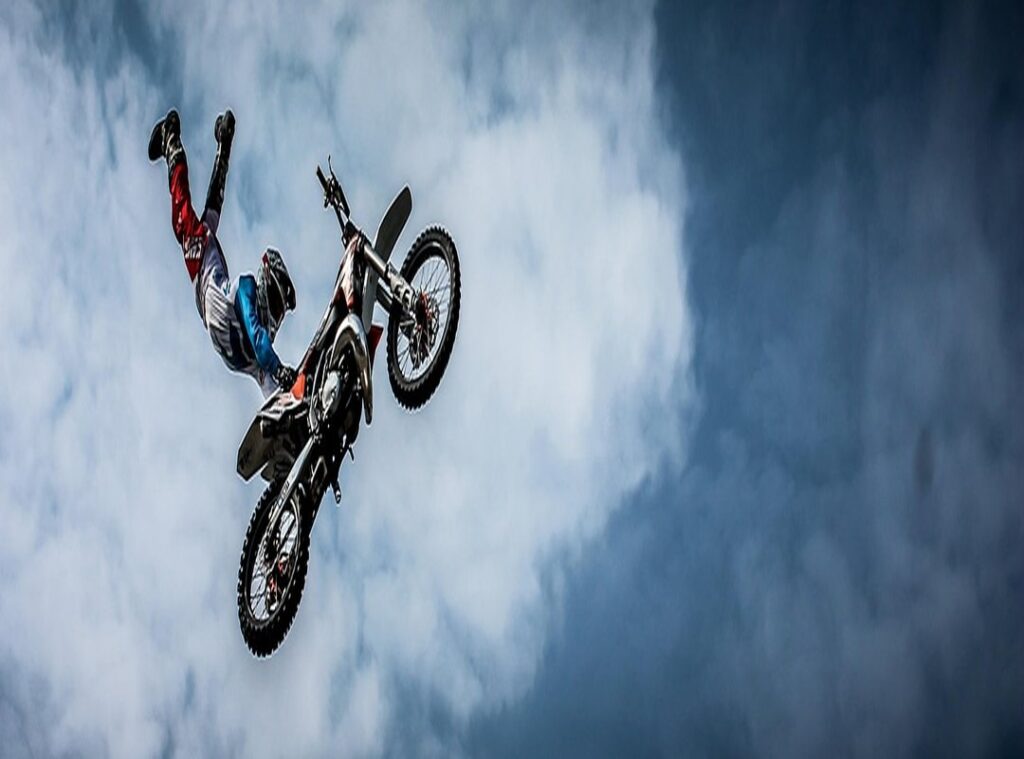
Are dirt bikes fast?
Yeah, they are. But not like a car on the highway. Not like a motorcycle on pavement.
You’re probably asking Are Dirt Bikes Fast Fmboffroad because you’ve seen one rip across a field or jump a hill and thought. how much power is in that thing?
I’ve ridden them for years. Fixed them. Wrecked them.
Watched kids outrun adults on stock 85s. Speed isn’t just about top-end numbers. It’s about how fast it feels when the rear wheel hooks and you’re suddenly airborne.
This article tells you what actually makes them fast. Not hype. Not YouTube claims.
Real factors. Engine size, weight, suspension, terrain, rider skill.
Some go 40 mph. Some hit 80. A few scream past 90.
But only if you’re on hardpack, wide open, and willing to hang on.
I’ll break down why one bike feels faster than another even at the same speed. Why a 250 four-stroke can feel slower than a 125 two-stroke. Why your body matters as much as the machine.
You’ll walk away knowing exactly how fast dirt bikes really are. And whether speed even matters for what you want to do.
No fluff. No jargon. Just straight talk from someone who’s been there.
Fast Is a Lie Dirt Bike Riders Believe
Are Dirt Bikes Fast Fmboffroad? Yeah. But not how you think.
I’ve watched riders stare at top speed numbers like they mean something. They don’t. Not out there.
Fast on dirt means grabbing speed now. Not in five seconds, not after a long runway. It means the bike snaps forward when you twist the throttle.
It means it leans hard without arguing. It means it doesn’t puke you off mid-turn when the ground drops out.
Street bikes chase highway miles. Dirt bikes chase reaction. A motocross bike needs explosive power to clear jumps.
An enduro bike needs torque low down to crawl up rocks. A trail bike needs light steering to dodge trees at 20 mph.
Same word. Totally different jobs.
That’s why I always check Fmboffroad first (real) riders talk about what the bike does, not what the spec sheet brags about.
You wouldn’t call a pickup truck “fast” just because it hauls lumber. So why judge a dirt bike by its top speed?
What’s your idea of fast? The number on the dial? Or the feeling when the rear tire hooks and you’re already gone?
Most riders pick the second one. Then wonder why their street bike feels dead on the trail.
How Fast Do Dirt Bikes Really Go?
Most dirt bikes top out between 30 and 90 mph. That’s it. Not more.
Not less.
50cc to 85cc bikes hit 30. 45 mph. Think kids’ trail bikes or beginner pit bikes. (Yes, they’re slow.
That’s the point.)
125cc to 250cc models usually run 60 (75) mph. A 250F on a fire road with a tailwind might flirt with 80. But you’ll be fighting the bike the whole time.
450cc+ bikes? 80. 90+ mph is normal. Some hit 100 if you’re reckless, on flat hardpack, and ignoring every safety instinct you own. (And no, that’s not where you want to be.)
Are Dirt Bikes Fast Fmboffroad? Sometimes. But speed isn’t why you ride off-road.
These numbers are estimates. Tire pressure, rider weight, altitude, and how much mud is caked on your chain all change things. One muddy hill kills 20 mph instantly.
Going over 100 mph off-road is rare. It’s also dangerous. And pointless.
You’re not racing Le Mans (you’re) dodging rocks and roots.
If you need triple digits, get a street bike. Dirt bikes trade top speed for control, suspension travel, and ground clearance. That’s not a compromise.
It’s the whole point.
What Actually Makes a Dirt Bike Fast
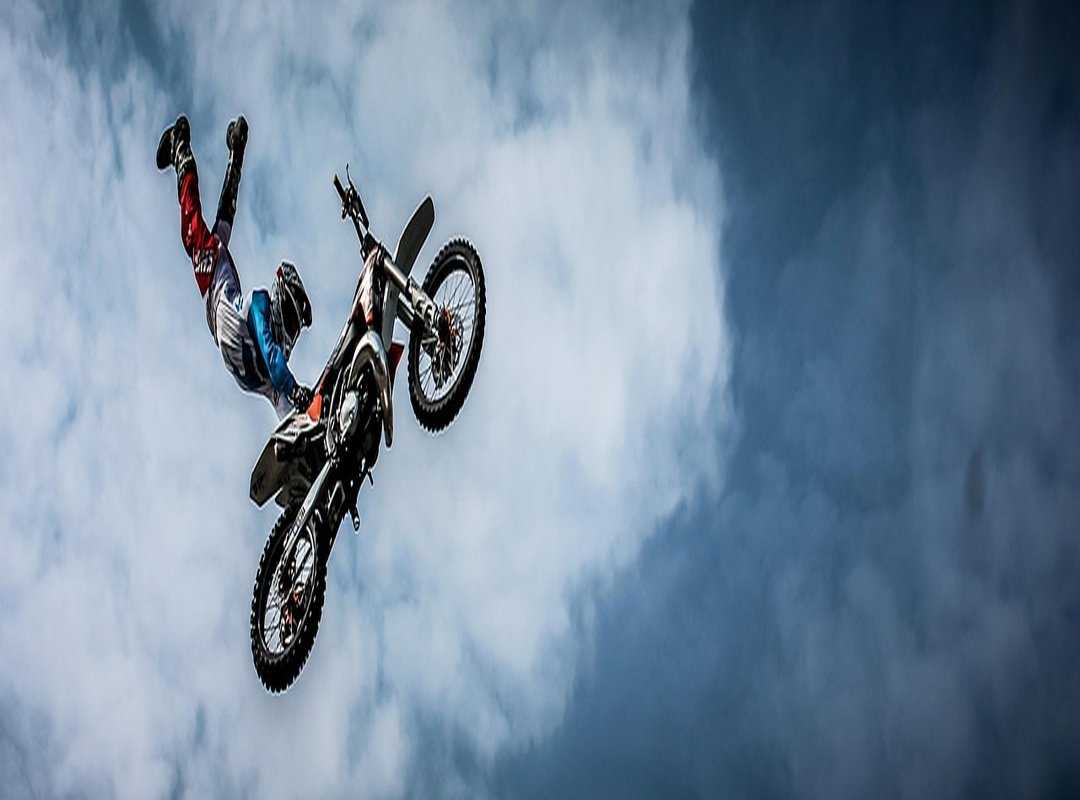
Bigger engine? More power. Higher top speed.
Simple.
But more CCs isn’t always better. A 250cc 4-stroke feels smooth and steady. A 125cc 2-stroke hits you like a slap (quick,) sharp, and loud.
(I still flinch the first time I twist the throttle on one.)
You want raw snap? Go 2-stroke. You want control in whoops or corners? 4-stroke wins most days.
Gearing changes everything. Swap to a smaller front sprocket and you’ll launch harder off the line (but) run out of steam faster. Bigger rear sprocket?
Same deal. You trade top speed for grunt. Ask yourself: where do you ride most?
Rider weight matters. A 130-pound rider on a 450 will feel quicker than a 200-pound rider on the same bike. Not just acceleration (handling,) braking, suspension response all shift.
Skill matters more than weight. A pro makes a 250 feel faster than an amateur on a 450. They carry speed where you’d brake.
They pick lines you’d never see.
Mud? Sand? Rocks?
Each surface steals speed differently. Hardpack lets you stretch your legs. Deep sand chokes the engine and sinks the front wheel.
You’re not slow. You’re fighting physics.
Tire pressure too low? You sink. Too high?
You skip. Maintenance? A clogged air filter kills power fast.
So does old oil.
Are Dirt Bikes Fast Fmboffroad? Yes. But only when matched to the rider, the track, and the setup.
If you’re comparing models head-to-head, check out our guide on Motocross bikes fmboffroad. It breaks down real-world speed. Not just specs.
Dirt Bikes Aren’t Fast. They’re Alive
Are Dirt Bikes Fast Fmboffroad? Yes (but) only if you mean fast where it matters.
I’ve watched a 250cc dirt bike rip through whoops while a street bike stalled on the same dirt. (It’s not even close.)
Cars on a track? Sure, they win in top speed. But drop them into a forest trail and they’re just expensive paperweights.
Street motorcycles cruise at 80 mph for hours. Dirt bikes don’t do that. They hit 60 in under 4 seconds (and) then jump, lean, slide, and recover before you blink.
That’s not slow. That’s different.
You don’t compare a chainsaw to a scalpel and call one “faster.” Same idea.
Dirt bikes live in chaos. Pavement is their enemy. Mud, roots, rocks (they’re) the menu.
So no, your dirt bike won’t outrun a Camaro on I-5. But try keeping up with it on a fire road at dawn. Go ahead.
I’ll wait.
You feel that twitch in the throttle? That’s not horsepower. It’s permission.
If you’re riding hard enough to need real protection, grab the Best motorcross gloves fmboffroad.
Speed Isn’t Just a Number
Yes, dirt bikes are fast.
But Are Dirt Bikes Fast Fmboffroad depends on what “fast” means to you.
Top speed? Sure (some) hit 60 mph. But try holding that on a rocky hillside or threading through tight woods.
That’s where acceleration and flickability matter more than a number on a spec sheet.
I’ve seen riders stall a 450 on a steep loam climb while a 125 zipped past them. It wasn’t about horsepower. It was about control.
About matching the bike to the ground. And to you.
Engine size matters. So does whether it’s two-stroke or four-stroke. Gearing changes everything.
And your skill level? That changes more.
You don’t need the biggest bike to feel fast.
You need the one that doesn’t fight you.
Remember: the fastest bike is the one you can ride confidently. today.
Not the one you hope to master in two years.
You want speed. You want dirt. You want to not spend Saturday afternoon nursing a bruised ego.
Or worse, a broken collarbone.
So stop chasing numbers.
Start matching machines to your hands, your terrain, your pace.
Ready to stop guessing? Go test ride three bikes this month. Talk to someone who rides where you ride.
Then pick the one that makes you grin (not) sweat.
Do it now.
Your next ride is waiting.