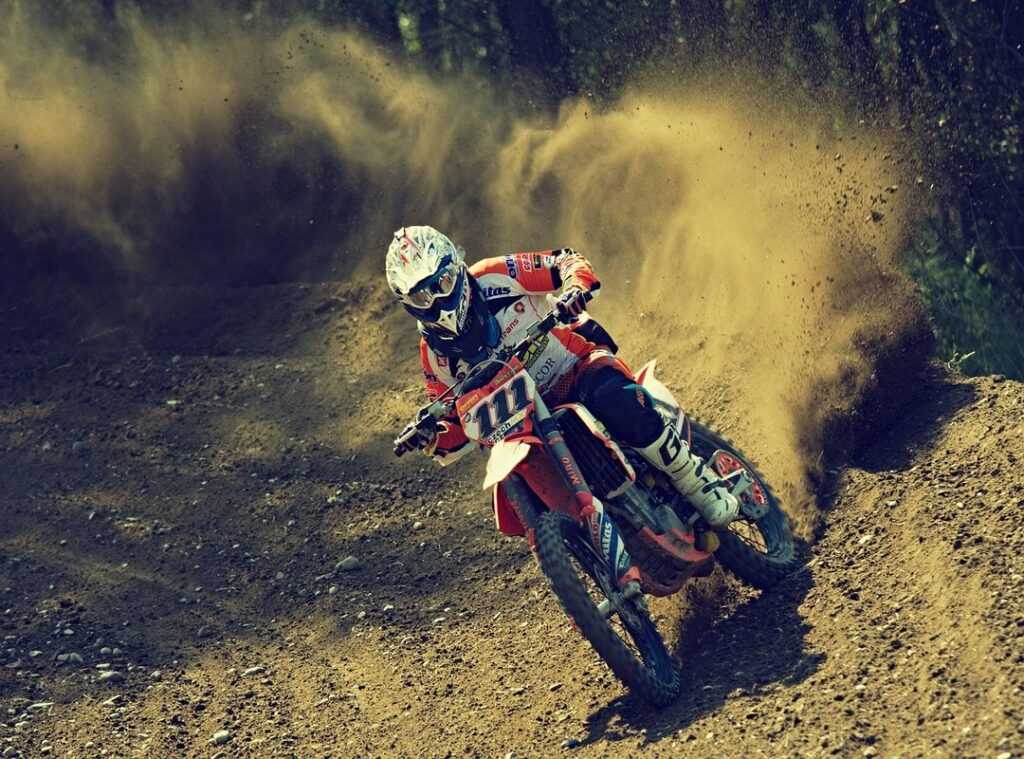
I’ve picked the wrong motocross bike before.
It sucked.
You’re staring at a wall of bikes online or in a showroom and wondering: Which one actually fits me?
Not the guy on Instagram. Not your buddy who rides every weekend. You.
Too many options. Too much jargon. Too much guesswork.
And yeah (picking) wrong means frustration, fatigue, maybe even injury.
This isn’t about specs alone. It’s about matching Motocross Bikes Fmboffroad to your skill level. Your height.
Your strength. The kind of dirt you ride.
Beginner? You don’t need 500cc raw power. Experienced rider chasing tight singletrack?
That 250 might feel sluggish. Mud, sand, rocks (each) terrain punishes the wrong setup.
I’ll cut through the noise. No fluff. No hype.
Just what matters: engine size, suspension, weight, seat height, and how those pieces hit your body and your trails.
You’ll walk away knowing exactly what to test-ride. And why. No more second-guessing.
Just a bike that feels right from the first turn.
2-Stroke vs. 4-Stroke: Which One Actually Fits You?
I ride both. I’ve dropped a 2-stroke on the first turn and stalled a 4-stroke trying to look cool. (Spoiler: neither worked.)
You want simplicity and snap? Go 2-stroke. It fires up fast, weighs less, and pulls hard right off idle.
But it’s all or nothing. No middle ground. You’re either on the gas or you’re not.
The 4-stroke feels like a real motorcycle. Smooth. Predictable.
More torque low down. Easier to control when you’re still learning how not to eat dirt.
Maintenance? 2-strokes need more frequent top-end work. Think piston changes every 10. 15 hours. 4-strokes last longer between major services but cost more to fix when they do break.
Cost-wise, used 2-strokes are cheaper upfront. New 4-strokes cost more. But hold value better.
Beginners? Start with a 4-stroke. Seriously.
You’ll learn balance, clutch control, and throttle feel without fighting the bike.
Aggressive riders who race tight tracks or love flicking the bike around? Many swear by 2-strokes. They’re raw.
Unfiltered. And yes. Louder.
You’re not stuck forever. Plenty of riders switch later. But picking wrong means frustration (not) fun.
If you’re looking at Motocross Bikes Fmboffroad, check the engine type first. Not the color. Not the sticker.
The engine.
Still unsure? Ask yourself: Do I want to manage power (or) wrestle it?
Bike Size Isn’t Just Numbers (It’s) Confidence
I’ve seen kids tip over trying to hold up bikes that dwarf them. It’s not cute. It’s dangerous.
Seat height matters more than engine size early on.
If your feet don’t touch flat, you can’t stop the bike safely. Or relax while riding.
A 50cc fits most 6 (10) year olds. An 85cc works for strong juniors who’ve ridden a while. Teens and adults jump to 125cc, 250cc, or 450cc (but) only after they’ve mastered balance and throttle control.
Weight is real. A heavy bike slows reaction time. You’ll fight it instead of riding it.
Start small. Always. You’ll level up faster on a bike you control, not one you survive.
Bigger isn’t better. It’s just heavier.
And slower to learn on.
Motocross Bikes Fmboffroad aren’t one-size-fits-all. They’re tools. Pick the right tool.
Can you stand over the frame with both feet flat? Good. Can you reach the brakes and clutch without stretching?
Better.
If the answer is no to either. You’re on the wrong bike. Swap down.
Not up.
What You’ll Actually Ride
I pick bikes based on where I ride. Not what looks cool in a magazine. Track racing?
You want stiff suspension and instant throttle response. That bike will feel twitchy on a trail. (And it should.)
Trail riding needs a wider powerband. You don’t want to stall climbing a loose hill. Electric start matters when you’re tired.
A headlight helps you get home.
Desert riding eats tires. Sand needs big, paddle-style knobs. Mud wants tall, widely spaced lugs.
Hard-packed dirt? Smoother tread works fine.
Your suspension must match the terrain too. Soft setup swallows roots and rocks. Stiff setup keeps control at speed on groomed tracks.
So ask yourself: Where do I spend 80% of my time? Not where I wish I’d ride. Not where my buddy rides.
Where do I actually go?
If you’re still unsure, read this guide. It breaks down real-world trade-offs. No jargon.
Motocross Bikes Fmboffroad aren’t one-size-fits-all. They’re tools. Pick the right one for your dirt.
Backyard riders don’t need race-spec suspension. Race riders shouldn’t buy a soft-trail bike and expect lap times. You know what you ride.
Pick accordingly.
Suspension, Brakes, and Fit Matter Most
I crashed hard on my first motocross ride because the front fork bottomed out on a small jump.
That taught me suspension isn’t optional (it’s) what keeps you upright.
Air forks let you tune pressure with a pump. Spring forks need heavier or lighter springs swapped. I prefer air forks for quick adjustments between tracks.
But if you’re new? Stick with spring forks. They’re simpler and less fussy.
Brakes saved my life twice. Once on a steep downhill, once when a deer bolted across the trail. Disc brakes are non-negotiable now.
No exceptions. If it’s not hydraulic disc, walk away.
Ergonomics hit me after two hours of riding: my wrists ached, my back burned, and my feet slipped off the pegs. Handlebar height, peg position, and seat shape change how tired you get. And how fast you react.
Adjustable bars and pegs? Worth every penny.
Kickstart bikes build character. Electric start builds confidence (especially) when you’re mid-race and stalled. Fuel injection runs cleaner in cold weather and high altitude.
Carburetors? Easy to clean, but finicky. Aftermarket parts matter only if the frame and engine can handle them.
Want proof these choices affect speed and control? Check out Are Dirt Bikes Fast Fmboffroad
You’re Ready to Ride
I know choosing Motocross Bikes Fmboffroad felt like wading through mud. Too many options. Too much jargon.
Too much second-guessing.
That’s over.
You now know how engine type matches your skill. You see why sizing isn’t just about height. It’s about control.
You get that riding style changes everything. Not hype. Not specs. You.
No more guessing what “fits.”
No more buying what looks cool and regretting it on the first jump.
So go try one. Visit a local dealer this week. Sit on three different bikes.
Feel the weight. Grip the bars. Ask questions (even) dumb ones.
And wear proper gear. Every time. No exceptions.
Your confidence isn’t built from reading. It’s built from doing. From sitting, twisting, stopping, jumping. then deciding.
You’ve got the knowledge.
Now go use it.
What’s stopping you from calling a dealer tomorrow?