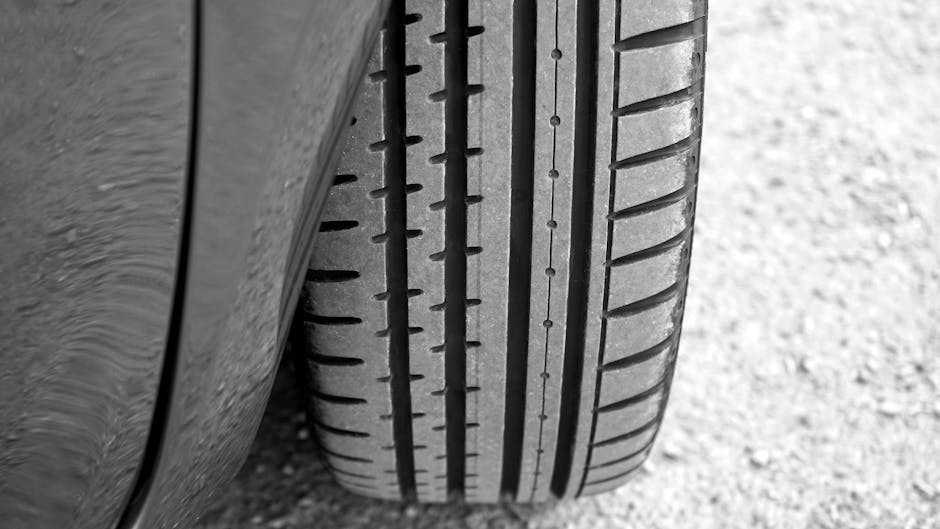
What’s Changing on the Road
Tires used to be an afterthought rubber, pressure, and a tread pattern. That’s no longer the case. Traditional tires are evolving into data rich systems, built to talk to your car and even predict problems before they happen. As vehicle tech continues to leap forward, tires are finally catching up.
At the heart of this shift are sensors and connectivity. Smart tires now monitor everything from internal pressure and temperature to tread wear and load distribution. This information doesn’t just sit there it connects to the car’s onboard systems, to your phone, and in some cases, directly to the cloud. That means real time feedback, predictive maintenance alerts, and better performance across road conditions.
What makes 2026 the line in the sand? It’s when smart tires are expected to move from niche upgrades to baseline features. Regulatory pressures, insurance incentives, and the rise of connected and autonomous vehicles are pushing adoption forward. The road is changing fast and the tires you drive on are about to change with it.
Inside the Tech: How Smart Tires Actually Work
Smart tires represent a major leap forward in making vehicles safer, more responsive, and easier to maintain. They’re more than just rubber they’re digital devices packed with technology. Here’s a closer look at how they function under the hood (or rather, under the chassis).
Embedded Sensor Technology
These next gen tires come equipped with internal sensors that monitor critical metrics in real time, including:
Tire pressure: Detects under or over inflation instantly
Temperature: Monitors operating heat caused by speed or external conditions
Tread depth: Measures wear over time to project replacement needs
Load detection: Adjusts performance based on passenger or cargo weight
This constant flow of data enables drivers and onboard systems to make better decisions faster.
Real Time Communication
Smart tires don’t operate in isolation they talk to your vehicle and your apps. Through onboard computing and wireless connectivity, they can:
Share data with the vehicle’s safety and performance systems
Send maintenance alerts directly to your dashboard or smartphone
Sync with cloud based monitoring tools for fleet and commercial use
Expect fewer surprise flats and smarter service intervals as this interconnectivity becomes standard.
Predictive Analytics in Action
The power of smart tires lies in their ability to prevent problems before they arise. Enabled by advanced analytics, they can:
Spot unusual wear patterns indicating misalignment or suspension issues
Forecast potential failure zones based on driving behavior
Recommend preemptive service to reduce the risk of dangerous blowouts
This proactive approach to tire maintenance is revolutionizing both individual and fleet safety protocols.
Acceleration Through 5G and IoT
Modern connectivity tools such as 5G and the Internet of Things (IoT) are key accelerators of tire intelligence:
5G networks: Enable ultra fast data transfer to/from the vehicle in real time
IoT integration: Lets tires join a network of connected components from suspension to braking systems for synchronized safety
Together, these technologies turn every tire into a data node, continuously learning and adapting to the road.
Safety Gains That Matter
Smart tires are doing more than just lighting up dashboards they’re actively reducing road risks. One of the biggest wins? A serious drop in blowouts and hydroplaning. Built in sensors monitor pressure and temperature in real time, flagging problems before they spiral into danger. And during sudden weather shifts, the system doesn’t just report it responds. Smart tires feed live data to traction control systems, helping grip adjust on the fly.
Braking performance is sharper too, thanks to optimized pressure distribution. In other words, the tires adapt where and how they connect with the road. That means shorter stop times and smoother deceleration, even in tough conditions.
What ties it all together is connectivity. Get an alert on your phone when there’s uneven wear or low tread. Schedule an auto generated maintenance check before something goes wrong. Less guessing, more driving. These aren’t just tires they’re road partners that think ahead.
Industry Players & Real World Use Cases
The smart tire space isn’t speculation anymore it’s a race, and major tire makers are sprinting. Bridgestone, Michelin, and Continental are all pushing R&D into embedded sensors, real time data analytics, and cloud connected tire systems. This isn’t about better rubber. It’s about software, data flow, and machine learning algorithms designed to adapt traction and pressure in real world scenarios.
Smart tires are also becoming a natural extension of autonomous and connected vehicle ecosystems. With AVs relying on sensor to sensor communication, tires need to talk too transmitting live data on road conditions, tire health, and load balance to help the vehicle make smarter split second decisions.
On the commercial front, fleet operators are already working smart tires hard. Downtime? Cut. Accidents? Reduced. Predictive maintenance alerts help prevent blowouts before they hit, and real time tracking lets fleet managers reroute or schedule service with minimal disruption. For long haul trucking or delivery services, that’s real money saved.
Then there’s the EV market. OEMs are embedding smart tire systems directly into new electric models, using the tech to optimize range and fine tune ride quality. It’s not a bonus feature it’s part of the design. As EVs become more advanced and autonomous, tire data will only become more critical. Whether you’re building, operating, or driving, smart tires are quickly becoming non negotiable.
Roadblocks to Adoption
Smart tires promise a safer, more connected driving experience but that kind of innovation doesn’t come cheap. For the average driver, the up front cost is a major hurdle. Smart tire sets can run hundreds more than standard ones, not to mention the hardware and software updates some vehicles may need to properly interface with them. Until prices scale down or subsidies kick in, adoption will likely lean toward luxury models and commercial fleets.
There’s also the quiet elephant in the garage: data. Smart tires collect a lot location based wear patterns, driver behavior, load histories. Who owns that data? Where does it go? And how is it protected? For a feature that’s pitched as safety forward, the privacy side remains murky, especially for consumers not used to their tires doubling as telemetry devices.
Lastly, vehicle compatibility is a friction point. Older cars, even from just a few model years ago, may not be equipped to handle real time tire data or communicate with supporting apps. That means retrofitting, external sensors, or simply missing out. Until the aftermarket catches up or automakers build in backward compatibility, smart tires risk leaving large swaths of drivers behind.
The Road Ahead: What to Expect Between Now and 2026
Smart tire technology isn’t staying niche. It’s heading for mass market traction. Automakers are already lining up models that ship factory equipped with sensor packed tires, and commercial fleets are locking in partnerships to retrofit their entire lineups. Expect to see consumer options filter down from high end models into mid range vehicles fast.
Insurers are also jumping in. Some are starting to offer premium discounts to drivers who use smart tires that can send real time data on condition and maintenance. The logic is simple: fewer accidents mean fewer claims. That kind of risk reduction gets rewarded.
Governments are catching up too. Several regions, including the EU and parts of the U.S., are studying mandates for smart tire systems on new vehicles by 2026. Some proposals focus on heavy trucks first, but regulatory momentum is building across the board.
Explore more in depth insights here: Smart Tire Future
Why Smart Tires Are More Than Just a Trend
Smart tires aren’t just about alerting you when air pressure drops. They’re reshaping what safety means on the road. Traditional tires respond to problems after they happen. Smart tires aim to stop problems before they start. Their embedded sensors track real time conditions like pressure, tread wear, and road temperature then communicate that data straight to the driver or vehicle system. It’s not overkill. It’s a defense system in rubber.
But it’s more than safety. This tech adds years to tire lifespan by preventing uneven wear and flagging maintenance needs before damage sets in. The result? Fewer breakdowns, better fuel efficiency, and more predictable upkeep.
Bottom line: smart tires are pushing us to stop thinking of tires as passive gear. They’re becoming active players in how we drive, how safely we drive, and how long our vehicles last.
Dig deeper into what’s coming next: Smart Tire Future