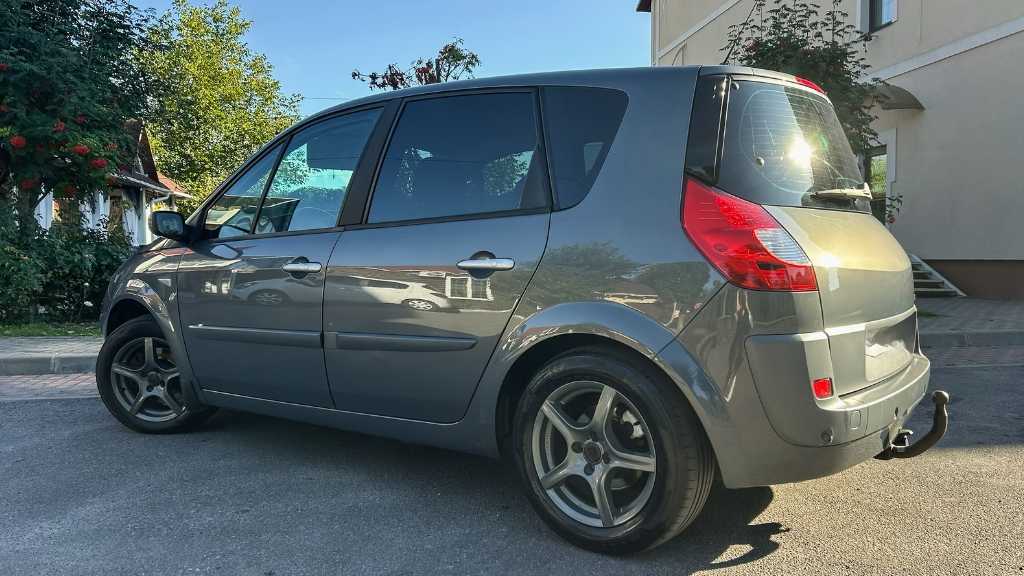
Cost Breakdown: Rental vs. Ownership
Let’s talk numbers cold, clear, unavoidable. Ownership hits you up front. Down payment, taxes, registration fees they all land before you even turn the key. With long term car rentals, it’s simpler: first month and a deposit, then you drive. That’s a lighter lift for most wallets.
Monthly costs shift the game further. Owners deal with insurance, maintenance, and loan payments. Each month might bring surprises new tires, unexpected repairs, rising insurance rates. Rentals? Flat fee, mostly all inclusive. No guessing. No shop visits. It’s plug and play.
Then there’s stuff you don’t see coming. Ownership means depreciation your car starts losing value the second it leaves the lot. You’re also on the hook for wear and tear, emissions check fees, and the cost of resale someday (spoiler: it rarely goes how you hope). With a long term rental, those headaches are off your plate.
Bottom line owning can build value, but it brings unpredictability. Renting stays steady and keeps you mobile, with fewer moving parts to worry about.
Flexibility and Lifestyle Fit
What you drive and how you access it should fit the life you live. That’s where long term renting and vehicle ownership serve very different purposes.
If you’re a digital nomad, freelancer, or someone who changes locations frequently, renting makes sense. Long term rentals remove the baggage of ownership. No title transfers, no selling when you move, no scheduled maintenance you have to think about. You just pick up, drop off, and keep moving. Many services let you change vehicles as your needs shift road trip SUV this month, compact for city hopping the next.
On the flip side, if your life is rooted a daily commuter, part of a growing family, or living rurally where public transport options are thin owning brings peace of mind. You want the reliability of something parked outside that’s yours. In the long haul, ownership might pay off financially, especially if you’re not cycling through locations or priorities.
Bottom line: there’s no one size fits all answer. The smarter choice depends on how you live, how often that life changes, and how much control you want over the vehicle itself. For a closer look at when rental beats ownership, check the full long term rentals guide.
Vehicle Access and Choice
Your vehicle needs can change quickly and how you access a car often dictates how easily you can adapt.
Long Term Rentals: Built In Flexibility
Long term rental services allow you to change vehicles as your lifestyle or location shifts. This adaptability is one of the key benefits for people whose needs aren’t static.
Why rentals offer flexibility:
Seasonal needs: Drive an SUV in the winter and switch to a compact car for urban driving in the spring.
Life changes: Shift from a two seater to a family vehicle without worrying about selling or trading in.
Specialized travel: Need a truck for a cross country move or a hybrid for a long trip? Rentals can accommodate that.
Ownership: One Car, One Choice
Owning a car means committing to that vehicle for the long haul, regardless of how your needs evolve. This can be limiting if you face major life changes or simply want something different.
Challenges with ownership include:
You’re locked into the same vehicle unless you sell and buy again, which involves time, paperwork, and costs.
Life transitions new job, growing family, relocation won’t be matched by your car unless you plan well in advance.
The Bottom Line
If your vehicle preferences or lifestyle tend to change year over year or even seasonally long term rentals offer unmatched convenience. They let you match your ride to your routine, not the other way around.
Maintenance, Repairs, and Resale

When you rent long term, the headaches around repairs and maintenance basically disappear. Oil change? Tire rotation? Blown alternator on the side of a highway? Those are problems for the provider, not you. Support is baked in. You get the car, you drive it, and if something breaks, someone else fixes it.
Owning flips that script. Once the warranty runs out, you’re on the hook mechanically and financially. A busted water pump or dead AC unit isn’t just inconvenient, it’s expensive. And it’s on your schedule, too. There’s freedom in ownership, sure but freedom comes with responsibility.
Then there’s resale. It’s a gamble. Maybe you sell before the value nosedives, maybe the market tanks, maybe a newer model drops and yours ages overnight. With a rental, you hand back the keys and walk away clean. No worrying if the miles and wear will eat your trade in value. That peace of mind? It counts.
Financial Predictability
When it comes to keeping your finances steady, long term car rental has a clear edge. You pay one consistent monthly rate, and that usually covers everything insurance, maintenance, repairs, even roadside assistance in most cases. No random mechanic bills. No expensive surprises when your alternator dies in the middle of nowhere. Just a flat cost that you can plan around.
Owning a car offers the promise of long term equity, but that comes with risk. That car might need new tires next month, a brake job next quarter, or a full transmission next year. You’re guessing and sometimes paying for the privilege to hold the keys. And depreciation? That’s another invisible cost owners eat over time.
So if your top priority is predictability and avoiding financial spikes, renting wins. It’s not always cheaper in sticker price, but it’s cleaner on the books. And in a world where inflation and unexpected expenses are the norm, clean and simple counts for a lot.
Environmental Considerations in 2026
The car market is changing fast. EVs and hybrids are no longer niche they’re standard in every major fleet. Rental companies are moving quickly, swapping out gas powered vehicles for newer, cleaner tech. That means when you rent long term in 2026, you’re far more likely to get a ride that meets current emissions standards and helps you lower your carbon footprint.
Owning, on the other hand, locks you into whatever tech your wallet could afford at the time of purchase. And unless you’re shelling out for frequent upgrades, you’re stuck with it for years. If emissions zones tighten or fuel costs spike, you’ve got little flexibility.
Renting gives you shortcuts to stay current. Want a hybrid this year and a full EV next? Easy. Need a car that qualifies for green tax credits while cities crack down on older engines? A rental fleet gets you there, no garage reshuffle required. It’s about adaptability and going cleaner without long term commitment.
Which One’s Smarter for You?
Here’s the quick take:
Long term car rental makes the most sense for people who value flexibility, travel often, or don’t want to deal with maintenance and repairs. Digital nomads, remote workers, and city dwellers who switch locations frequently are prime candidates.
Ownership still has its place mainly for those planning to stay in one spot and use the car daily for years. If you commute consistently, have predictable routines, or live in rural areas where rental options are limited, owning might still be your better bet.
Questions to ask yourself:
How often do you move or travel long distances?
Do you want to deal with car maintenance, or would you rather let someone else handle it?
Is financial predictability a priority or are you okay with surprise repair bills?
How long do you usually keep vehicles?
No one size fits all answer here. But your lifestyle, risk tolerance, and financial goals should point you in the right direction.
Still weighing the options? Give this a look: ultimate guide to long term rentals. It digs deeper into use cases, cost comparisons, and real world scenarios.