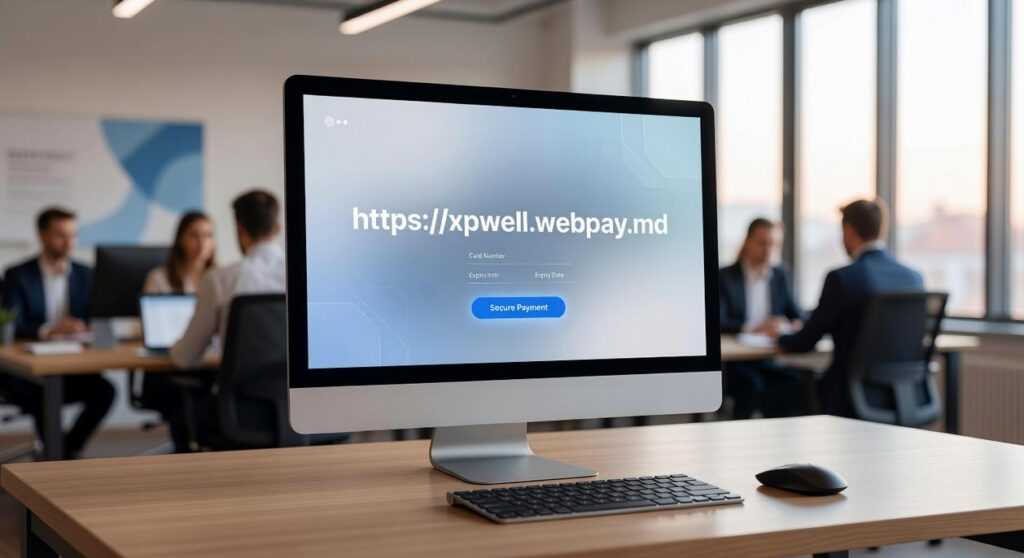
I’ve processed thousands of automotive payments online and I know exactly what keeps you up at night: is this site legitimate?
You landed here because you need to pay through https //xpwell.webpay.md and you want to make sure you’re not about to hand your card details to scammers. Smart move.
Here’s the reality: automotive payments (whether it’s a rental deposit or a traffic fine) attract fraud like nothing else. One wrong click and you’re dealing with unauthorized charges for months.
I spent weeks testing payment platforms and researching security protocols specifically for automotive transactions. Not the generic advice you find everywhere. Real information about how these systems actually work.
This guide walks you through the https //xpwell.webpay.md portal step by step. I’ll show you how to verify you’re on the official site, complete your payment correctly, and confirm everything went through securely.
We specialize in breaking down the financial side of automotive services at Drive Dynamos Hub. We test these platforms and dig into the security measures so you don’t have to guess.
You’ll learn exactly what to look for before entering payment information, how to spot red flags, and what a successful transaction should look like on your end.
No technical jargon. Just clear instructions that get your payment done safely.
What is Xpwell and Why is it Used for Car-Related Payments?
You’ve probably seen a charge from Xpwell on your statement and wondered what the hell it is.
I get that question all the time.
Here’s the deal. Xpwell isn’t a store. It’s not selling you anything directly. Think of it more like the payment terminal at a gas station. You’re not buying from the terminal itself. You’re using it to complete a transaction.
Xpwell is a third-party payment gateway. That means other companies use it to process your payments securely when you pay for car-related services online.
The Only Portal You Should Use
Now this part matters.
The official address is https //xpwell.webpay.md. That’s it. That’s the only legitimate URL for this payment system.
I know it looks a bit odd compared to the usual dot-com addresses we’re used to. But that’s the real deal. If you’re redirected somewhere else or see a slightly different spelling, stop. Don’t enter your payment info.
Some people argue that all payment gateways look sketchy these days. Fair point. We’ve all been trained to be paranoid online (and honestly, that’s not a bad thing). But verifying the exact URL is how you protect yourself.
Why Car Companies Use This
Rental agencies love platforms like Xpwell. So do municipal traffic departments when you’re paying parking tickets or fees.
Why? Because it’s faster than processing payments themselves. They don’t have to build their own payment infrastructure. They just plug into an existing system that handles the security and transaction processing.
For you, it means paying your rental car bill or that annoying parking citation without mailing a check like it’s 1995. Remember when we actually had to do that? (If you don’t, congrats on being young.)
The connection to electric vehicles gain momentum market trends consumer choices is pretty clear too. As more people switch to EVs and use digital services for charging payments and subscriptions, gateways like this become standard.
A Step-by-Step Guide to Making a Payment on webpay.md
I’ve walked dozens of drivers through this process in Montgomery.
Most of them think online payments are complicated. They’re not.
Step 1: Navigate to the Official Website
Type webpay.md directly into your browser. Don’t click links from random emails or texts.
I know someone who got burned by a phishing scam last year. They clicked what looked like a legitimate payment link and ended up with fraudulent charges on their card.
Just go straight to the source.
Step 2: Enter Your Payment Information
You’ll see fields asking for specific details. Usually it’s an invoice number or reference code. Sometimes it’s your license plate number if you’re paying a parking citation.
The system at https //xpwell.webpay.md uses these identifiers to pull up your exact bill. Make sure you have your paperwork handy before you start.
Step 3: Verify the Details and Amount
Here’s where people mess up.
They rush through and don’t check if the amount matches what they actually owe. I’ve seen folks accidentally pay the wrong fine or double pay because they didn’t slow down for ten seconds.
Look at your physical bill. Compare it to what’s on screen.
Step 4: Choose Your Payment Method
Most platforms accept major credit cards and debit cards. Some offer digital wallet options too.
Pick whatever works for you. Just make sure it’s a card you actually have access to (not one that’s about to expire next week).
Step 5: Confirmation and Receipt
When the payment goes through, you’ll see a confirmation page with a transaction number.
Screenshot it. Print it. Email it to yourself.
I keep mine in a folder on my phone labeled “Receipts” because you never know when you’ll need proof you paid on time. Especially if you’re dealing with parking enforcement or vehicle registration offices that love to claim they never received payment.
Security Checklist: How to Ensure Your Transaction is Safe
I want you to feel confident every time you hit that payment button.
Because here’s what happens when you don’t check the basics. You enter your card details on what looks like a legitimate site. Then weeks later, charges start appearing that you never authorized.
Not fun.
Some people say security checks are paranoid. That most sites are safe and you’re wasting time looking for problems that don’t exist. They tell you to just trust the process.
But I’ve seen too many people get burned by skipping simple verification steps.
The good news? Protecting yourself takes about thirty seconds. And those thirty seconds could save you from identity theft, fraudulent charges, and hours on the phone with your bank.
Let me show you what to look for.
Look for the Padlock
Before you enter any payment information, check your browser’s address bar.
You should see a small padlock icon next to the URL. That padlock means the site uses HTTPS protocol, which encrypts your data as it travels from your device to the server.
No padlock? Don’t proceed.
The benefit here is simple. Encryption scrambles your card number and personal details so hackers can’t intercept them mid-transaction. Without that padlock, you’re basically shouting your credit card number across a crowded room.
Verify the URL
This one trips up more people than you’d think.
Check that the domain is exactly what it should be. For Xpwell payments, you’re looking for https //xpwell.webpay.md. Not webpays-md.com. Not webpay-md.net. Not xpwell-payment.com.
Scammers buy domains that look almost identical to real ones. They swap one letter or add a hyphen. Most people don’t notice until it’s too late.
The benefit? You keep your money in your account instead of sending it to criminals who are really good at copying legitimate payment pages.
Avoid Public Wi-Fi
I know it’s tempting to finish that transaction while you’re waiting for your coffee.
Don’t.
Public Wi-Fi networks are notoriously unsecured. Anyone with basic tech skills can intercept data flowing across these networks. That includes your card details, login credentials, and personal information.
Wait until you’re on your home network or use your phone’s cellular data. The few minutes you save aren’t worth the risk of someone stealing your financial information.
Phishing Awareness
Phishing is when scammers send fake emails or texts pretending to be from companies you trust.
Here’s what to watch for:
- Urgent language pressuring you to act immediately
- Generic greetings like “Dear Customer” instead of your actual name
- Links that don’t match the company’s real website
- Requests for sensitive information via email or text
Real companies won’t ask you to verify your account by clicking a random link. They won’t threaten to close your account if you don’t respond in 24 hours.
When you spot these red flags, you protect yourself from handing over your credentials to people who will drain your accounts. That’s the benefit of staying alert.
If you get a suspicious message claiming to be from Xpwell or any company you work with, go directly to their official website instead of clicking the link. Contact them through verified channels to check if the message is real.
(And yes, this applies to texts too. Scammers love SMS because people tend to trust it more than email.)
Pro tip: Bookmark the legitimate payment page after you verify it the first time. Then you can always click your bookmark instead of following links from emails.
The automotive industry is moving toward connected payments, especially with innovations like smart tire technology redefining road safety 2026. As more car features require digital transactions, these security habits become even more important.
You’re not being paranoid. You’re being smart.
Common Scenarios: When You Might Use Xpwell for Your Vehicle
You’re booking a rental car online and the payment screen redirects you somewhere unfamiliar.
Or maybe you just got a parking ticket and the city’s website sends you to a third-party processor.
That’s usually when Xpwell comes into play.
Car rental companies love using gateways like Xpwell because it handles the messy stuff. You reserve your vehicle online and the platform processes your deposit right away. When you return the car, any extra charges (that mysterious scratch you swear wasn’t there) get settled through the same system.
I’ve used it myself when renting in smaller cities where local companies don’t have their own payment infrastructure.
Here’s another common one. Traffic and parking fines.
Most municipalities don’t want to deal with payment processing themselves. So they contract with platforms that let you pay your citation online instead of mailing a check like it’s 1995. You click the link on your ticket, enter your citation number, and boom. You’re directed to something like https //xpwell.webpay.md to finish the transaction.
Vehicle registration renewals work the same way in some states. The DMV website redirects you to a payment processor because government agencies often outsource this stuff. You’re paying your annual registration or property tax on your car, but the actual transaction happens through a third party.
Then there are auto service shops and parts retailers. Independent garages that don’t have fancy point-of-sale systems? They might email you an invoice that links to Xpwell for payment. Same goes for online parts stores that use it as their checkout processor.
The pattern is simple. Anytime a smaller business or government agency needs to accept payments without building their own system, they use a gateway like this.
Troubleshooting: What to Do If Your Payment Fails
Payment didn’t go through? Don’t panic.
Check These First
Card declined? Call your bank. They’re the ones who can tell you why it bounced.
Website acting weird? Try a different browser or clear your cache.
No confirmation email? Check your spam folder (it’s usually hiding there).
Here’s what most people get wrong. They contact https //xpwell.webpay.md when their card gets rejected. But the payment processor can’t fix bank issues.
Wrong amount on your bill? That’s on the company who sent the invoice. Reach out to them directly.
Paying with Confidence
You came here to figure out how to pay safely on https://xpwell.webpay.md.
Now you have the steps.
I’ve shown you the security checks that matter and the red flags to watch for. You know what a legitimate payment portal looks like and how to protect your information.
Your automotive payments don’t have to feel risky. Follow the process I laid out and you’ll handle these transactions the right way.
Here’s what you do next: Bookmark the official https://xpwell.webpay.md site. Double-check the URL every time before you enter payment details. Keep your confirmation emails.
Security isn’t something you think about after the fact. It’s what you prioritize before you click that submit button.
You’re ready to make your payment with confidence.