Changing Customer Expectations
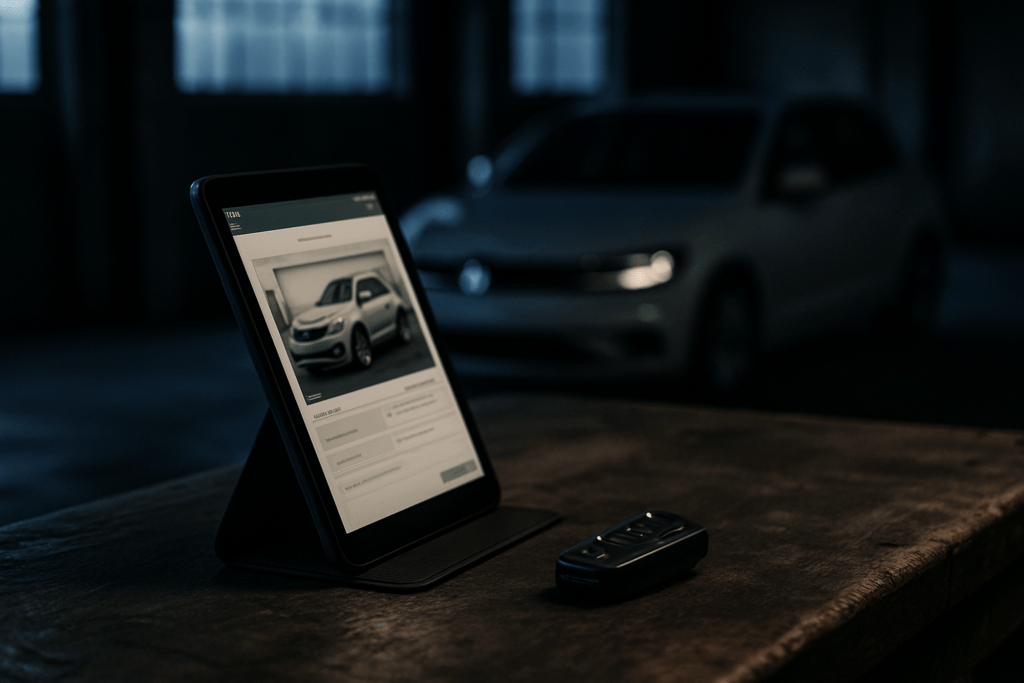
Technology has fundamentally shifted what customers expect from car rental services. It’s no longer just about having a car available it’s about how seamless, personalized, and tech enabled that experience feels from start to finish.
Frictionless Bookings Are the New Standard
Customers now demand instant access to vehicles without the typical paperwork or counter queues. Rental companies are investing heavily into mobile first platforms that prioritize speed and simplicity.
App based booking systems with real time availability
One click reservations and digital confirmations
Integrated payment and digital ID verification
Convenience isn’t optional it’s expected.
Touchless Rentals Are on the Rise
Contactless service features have rapidly moved from novelty to necessity. Today’s renters expect minimal human interaction without sacrificing reliability or security.
Mobile check in and self service kiosks
Remote key access via smartphone or app
Streamlined pickup/drop off processes that reduce wait times
These innovations also appeal to health conscious travelers and those pressed for time.
Personalization at Scale
Mass customization is becoming the norm thanks to data driven insights. Customers want more than just a car they want the right car, in the right location, with the right experience.
Location based preferences (e.g., popular models by region or climate)
Vehicle pre selection options linked to user profiles
Loyalty programs offering personalized upgrades and offers
Customization transforms a rental transaction into a curated experience, enhancing brand loyalty and customer satisfaction.
Fleet Management Gets Smarter
In 2024, car rental companies aren’t just managing vehicles they’re managing live data streams. Telematics and predictive maintenance tools have moved from optional upgrades to frontline essentials. These systems let fleet operators track performance metrics, engine conditions, and driver behavior in real time. It’s not flashy, but it’s a game changer.
Predictive maintenance means catching problems before they sideline vehicles. Downtime drops, safety improves, and unscheduled repair bills start to shrink. Real time tracking adds another layer: companies know where every car is, how it’s running, and when it needs attention. That kind of visibility turns chaos into control.
The result? Higher uptime, smoother operations, and fewer unpleasant surprises for both the renter and the rental desk. Data doesn’t just drive decisions now it drives the fleet.
Mobility Over Ownership
Car rental is no longer just about picking up a sedan at the airport for a weekend trip. The rise of car sharing models has pushed traditional rental companies to adapt fast. Instead of long term bookings or rigid schedules, users especially in cities are opting for short term, ultra flexible access to vehicles. And rental platforms are getting the message.
Many companies are now embedding car sharing tech directly into their fleets. Mobile apps handle everything from vehicle discovery to keyless entry. The separation between renting and sharing is blurring and that’s by design.
Partnerships are also on the rise. Rental companies are teaming up with ride hailing platforms, letting customers rent a car, drive it like an Uber, then return it the same day. Subscription services are popping up too, giving more leeway: pay monthly, swap vehicles, skip paperwork.
This shift isn’t fringe. It’s the new core. Urban users, in particular, don’t want the baggage of ownership. What they want is access on their terms, without commitment. The smartest rental companies are already treating flexibility not as a perk, but the baseline.
Electrification and Sustainability
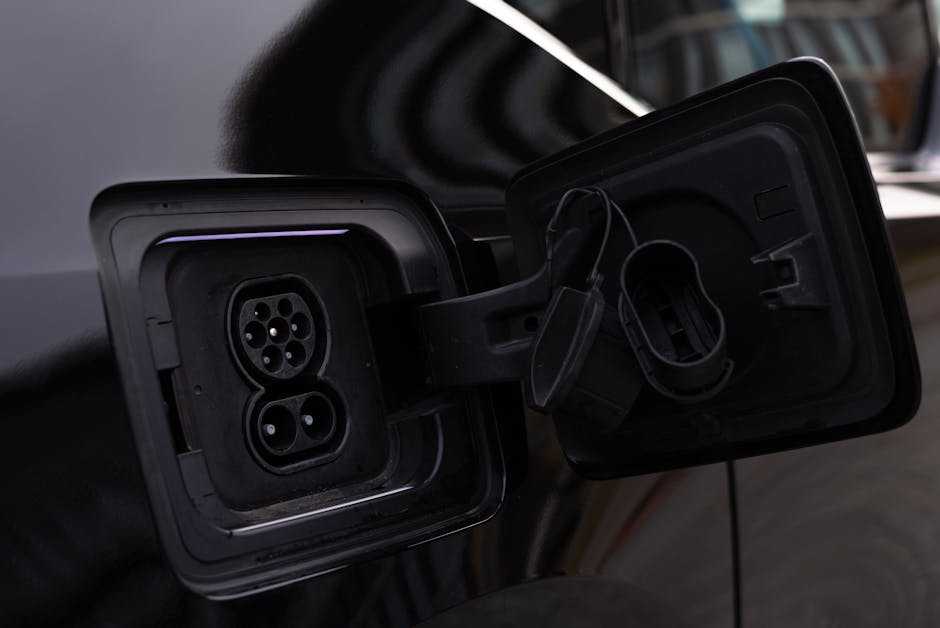
Electric vehicles aren’t just a niche anymore they’re front and center in rental fleet strategies. Major players are swapping gas guzzlers for EVs at scale, pushed by regulatory pressure, improved battery tech, and shifting consumer expectation. It’s not just about optics. Reduced fuel and maintenance costs make the math work.
Backing that up, rental hubs are rolling out charging stations of their own. Not by accident by design. Airports, urban locations, even mid size city depots are turning into EV charging zones. The goal: make charging frictionless and kill range anxiety before it starts.
And perhaps the biggest shift of all? Green is slowly becoming the default. Where hybrids and EVs once asked renters to pay extra, many platforms now offer them as base level options. No premium, no guilt trip, just a better ride.
For more, explore car rental future trends.
Autonomous Vehicles and the Road Ahead
Self driving rental cars aren’t science fiction anymore they’re already in limited tests across a handful of cities. Major players are piloting autonomous vehicles in controlled environments like airports, downtown zones, or corporate campuses. These early stage programs are less about flashy launches and more about data: how people interact with driverless rentals, what hiccups occur, and how to smooth out the handoff between tech and customer.
Still, with no human behind the wheel, the usual rules get murky. Who’s liable in a crash? Can renters bypass traditional licensing requirements? Insurers and lawmakers are scrambling to catch up. Meanwhile, rental companies have to reengineer onboarding, adding tutorials or enhanced support for first timers using autonomous vehicles.
One thing’s clear: full autonomy won’t go mass market overnight. The tech is maturing, but real world rollouts will stay cautious. Expect limited routes, opt in experiences, and lots of fine print for now. But the foundation is being laid, and when it hits scale, it’ll transform the customer and operational playbook completely.
Backend Overhaul: Software Leads the Charge
Behind the scenes, the car rental business is getting smarter and leaner. AI driven demand forecasting is helping companies stock the right vehicles in the right places, days or even weeks ahead of rushes. It’s no longer guesswork. The system crunches trends based on local calendars, search data, even weather patterns to predict what kind of car someone’s going to want, and where.
Alongside forecasting, dynamic pricing is stepping up. Rental rates aren’t just tied to holidays anymore they shift by hour, event, neighborhood, or even flight arrivals. This kind of real time responsiveness boosts profits without lifting a finger.
Then there’s the customer support side. Bots are taking pressure off human agents by handling common questions everything from change requests to pickup instructions. That reduces wait times, lowers overhead, and gives live reps more bandwidth to solve tougher problems. It’s not about cutting corners; it’s about cutting delays.
Software isn’t just supporting the business it’s starting to run it. The companies that adapt fastest will set the pace for the rest of the road.
What’s Next
The car rental industry isn’t just renting cars anymore it’s morphing into something closer to a tech first mobility solution. Think seamless, app based interactions, AI powered logistics, and vehicles that know as much about your habits as your smartphone does. It’s less about transactions, more about experience and flexibility.
To stay in the game, companies have to move fast. That means adopting new tech, testing new business models, and rethinking what “ownership” even means in an age of subscriptions and on demand everything. It’s not just about offering cars it’s about offering movement, with as little friction as possible.
The companies that thrive? They’re responsive, agile, and relentlessly focused on user experience. The ones that don’t evolve will get edged out by leaner, tech savvier challengers already redefining what mobility looks like.
Want the full picture? Check out where it’s all headed: car rental future trends.