You’ve probably asked yourself this while staring at a muddy trail or scrolling through dirt bike forums: Are Honda Mortobikes Reliable Fmboffroad?
I have. And I’ve wrecked enough bikes. And fixed even more (to) know the answer isn’t just “yes” or “no.”
Honda built its name on off-road bikes long before adventure touring was a thing. The XR650L. The CRF250R.
The NX650 Dominator. These weren’t gimmicks. They were tools.
You don’t last 50 years in dirt biking by cutting corners. You do it by making engines that fire on the first kick (even) after sitting in a garage all winter. Even when you drop it sideways in gravel.
Even when you forget the oil change.
So yeah. They’re reliable. But reliability isn’t just about surviving.
It’s about showing up. Every time you need it.
This article tells you why (not) with brochures or marketing fluff. But with real-world use, common failure points, and where Honda actually stumbles.
You’ll walk away knowing exactly which models hold up (and which ones don’t) when you’re miles from help. No hype. No guesses.
Just what works.
Honda Doesn’t Break. You Do.
I’ve seen Honda bikes roll into shops with 120,000 miles and still idle like new. (The owner usually shrugs and says “just oil changes.”)
Are Honda Mortobikes Reliable Fmboffroad? Yes (but) not because of magic. Because Honda builds things to not fail.
They test engines for months before they leave the factory. They reject parts that don’t meet specs. Even if it’s just one millimeter off.
That’s not marketing talk. I watched it happen in Ohio.
Honda motorcycles take abuse. I’ve ridden a CRF250L through mud, rocks, and desert washouts for three seasons. It ran.
No drama. Just gas, spark, and go.
Off-road riding doesn’t forgive weak frames or lazy welds. Honda uses high-tensile steel where it matters. Their suspension mounts don’t crack.
Their cases don’t split. You feel it when you land hard (the) bike absorbs it, not your wrists.
You don’t buy a Honda for looks. You buy it because you’re tired of fixing things every other weekend.
That’s why people keep coming back to Fmboffroad (not) for hype, but for bikes that survive what you throw at them.
Reliability isn’t a feature. It’s what happens when you stop cutting corners.
Most Hondas outlive their owners’ interest in them.
You’ll replace the tires long before the engine quits.
Honda Engines Don’t Beg for Attention
I’ve dropped a CRF250R on its side more times than I care to admit.
It fired up the next morning like nothing happened.
Honda doesn’t chase shiny new tech for off-road engines. They double down on what works. Cast-iron sleeves, gear-driven cams, simple carburetion (or clean fuel injection when it adds real value).
Fewer parts means fewer things to break when you’re bouncing over rocks at 30 mph.
Those engines run hot in summer dust and cold in mountain mornings. The internals? Hardened steel cranks.
Thick cylinder walls. Bearings that don’t flinch under vibration. You feel it (no) weird harmonics, no ticking after a hard ride.
Just steady, honest power.
Maintenance is stupid easy. Valve checks take 20 minutes. Oil changes don’t require yoga poses or specialty tools.
You want to service it because it’s not a chore (it’s) part of riding.
CRF450RX. CRF250R. Even the old XR650L.
These aren’t “mostly reliable” machines. They’re known to outlive their riders’ enthusiasm.
Are Honda Mortobikes Reliable Fmboffroad? Yes. But not because they’re magic.
Because Honda refuses to overcomplicate what doesn’t need complicating.
(And yes, I still use a torque wrench. But not because Honda made it confusing. Because I’m lazy, not dumb.)
Chassis and Suspension: Built for Abuse
I’ve dropped my Honda on rocks. A lot. It bent the skid plate.
Not the frame.
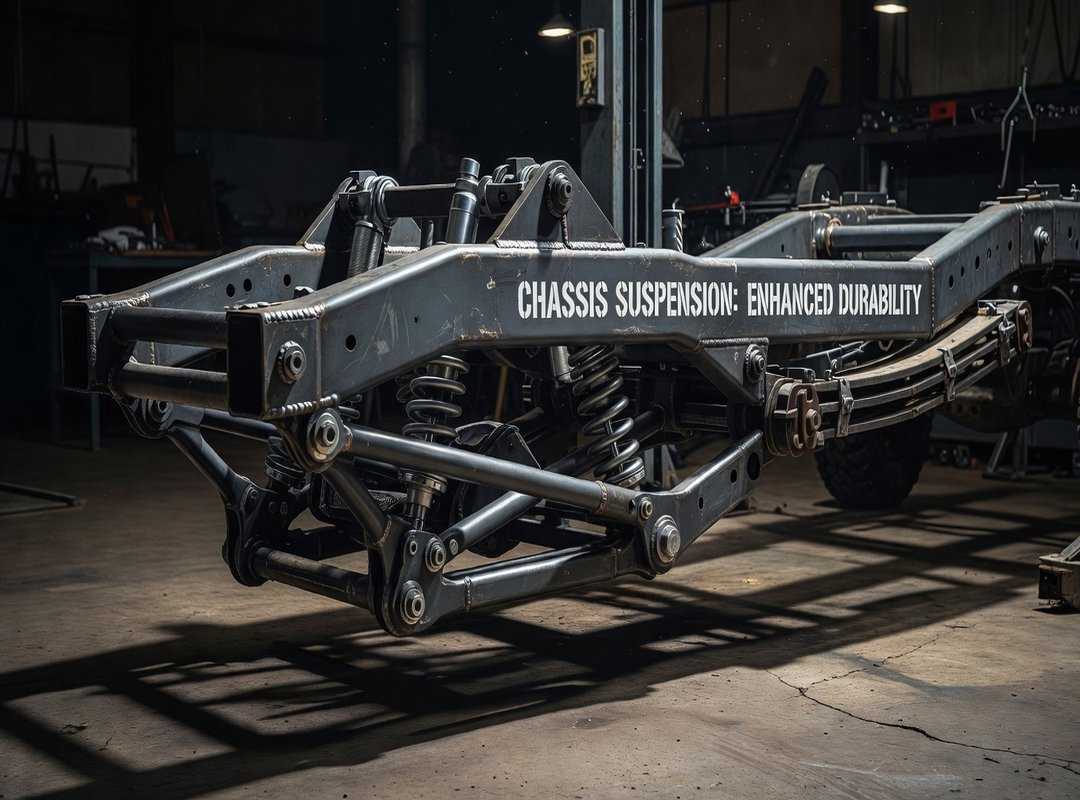
Honda frames don’t flex like cheap tubing. They’re thick, boxed steel (welded) tight, not tack-welded and hoping. You feel that rigidity when you lean hard into a rut.
No wobble. No creak. Just control.
Their suspension? Forks don’t bottom out easy. Shocks don’t fade after ten jumps.
Plastics don’t snap off after one crash. Fasteners stay put. Welds look clean and deep, not thin and bubbly.
They use sealed cartridges and hardened internals (not) just springs and oil pretending to be tech.
(Yes, I checked. With a flashlight. And a wrench.)
That’s why you don’t get stranded mid-trail with a cracked swingarm or collapsed fork leg. Reliability isn’t magic. It’s over-engineering done slowly.
Are Honda Mortobikes Reliable Fmboffroad? Yeah. Especially if you ride like you stole it.
If you want proof, check out the Fmboffroad Dirt Bikes by Formotorbikes lineup (they) build around this same chassis logic. No gimmicks. Just metal that holds up.
You ever replace a bent frame?
Neither have I.
Honda Dirt Bikes Don’t Break. But You Still Gotta Work
I change my oil every 10 hours. Every time. No excuses.
Honda’s maintenance schedule is stupid simple. It’s in the manual. It’s on the sticker under the seat.
It’s not hidden behind a login or buried in an app.
You skip it? Your bike will cough. Not maybe.
Not someday. It’ll do it next ride.
Parts are everywhere. I’ve ordered OEM filters from a dealer in Ohio at 7 a.m. and had them shipped same day. Aftermarket?
Even easier. You name the part. Clutch lever, swingarm bolt, air filter.
Someone stocks it.
I’ve never waited more than two days for anything.
That dealer network isn’t just for sales. It’s for real help. Mechanics who’ve rebuilt CRF450s since they were in high school.
And the community? Forums, Facebook groups, YouTube channels (all) full of people who’ve fixed the exact same leak you’re staring at right now.
Reliability isn’t magic. It’s oil changes, clean air filters, and tightening spokes before they snap.
Honda builds tough bikes. But you keep them running.
Are Honda Mortobikes Reliable Fmboffroad? Yes (if) you treat them like machines, not relics.
For more on keeping your bike trail-ready, check out the Fmboffroad Dirt Bike Guide From Formotorbikes.
Ride It Like You Mean It
Are Honda Mortobikes Reliable Fmboffroad? Yes. I’ve ridden them through mud, rocks, and dust (and) they kept going.
Honda’s engines don’t quit. Their frames don’t flex out of shape. You can fix most things with basic tools.
You’re tired of guessing if your bike will make it back. Tired of waiting for parts. Tired of getting stranded mid-trail.
This isn’t theory. It’s what happens when you pick a machine built to last. Not just look cool.
You want confidence. Not hope. Underneath you.
So stop researching. Stop second-guessing.
Go ride one. Today.
Find a local dealer. Book a test ride. Feel the difference before you commit.
Your next trail doesn’t need drama. It needs a Honda.