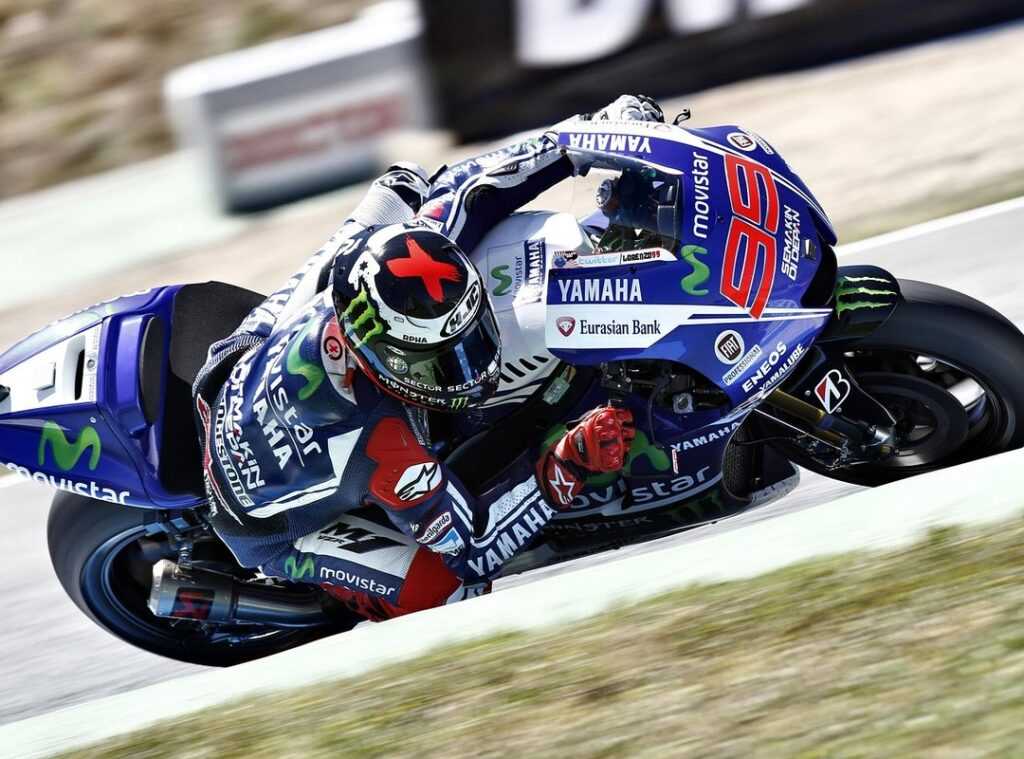
The roar of a motorbike engine isn’t just sound (it’s) tension, speed, and risk all at once.
I’ve stood trackside watching riders lean so far into a turn their knees scrape pavement. You feel it in your chest before you hear it.
That thrill didn’t drop from the sky. It grew (messily,) dangerously. From something much simpler.
So how did motorbike racing start?
How Motorbike Racing Started Fmbmotoracing is not just a history lesson. It’s about people bolting engines to bicycles and wondering what would happen next.
They weren’t chasing records at first. They were chasing limits.
Early races happened on dirt roads, horse tracks, even beaches. No rules. No safety gear.
Just bikes, guts, and a crowd holding its breath.
Some crashed. Some won. All of them changed what was possible.
Understanding that beginning makes today’s racing make sense. The carbon fiber, the telemetry, the split-second decisions. They all trace back to someone strapping a motor to a bike and saying let’s go.
You’ll get the real origin story. Not the polished version. The one with broken chains, blown engines, and arguments over what counted as a “race.”
No fluff. No filler. Just how it actually began.
First Bikes Were Just for Getting There
I saw a photo of the Daimler Reitwagen last week. It looked like a bicycle welded to a steam engine (which it kind of was).
That thing rolled in 1885. No helmet. No license.
Just two wheels and a loud, smoky reason to leave the house.
They weren’t built for racing. They were built so you didn’t have to walk ten miles to see your cousin.
Early models used steam first, then gasoline (bolted) onto frames that still had pedals. You’d kick-start it. Or pray.
Sometimes both.
People called them “motorized bicycles.” Not “race machines.” Not “sport bikes.” Just bikes with engines.
Then someone raced one.
Of course they did. You put an engine on anything with wheels and someone tests how fast it goes.
The first races? Just two guys arguing over coffee, then lining up at the edge of town. No track.
No timing. Just dust, noise, and a winner who got there first.
That’s how motorbike racing started (not) in stadiums, but on dirt roads between farms.
How Motorbike Racing Started Fmbmotoracing is exactly where that raw, unfiltered energy lives today. Fmbmotoracing
You think those early riders had sponsors? Nah. They had grease on their hands and a grin on their face.
Same vibe now. Just faster.
And louder.
(Also way more insurance paperwork.)
Roads Were Not Tracks
I raced my first bike on a dirt road outside Bakersfield. It was stupid. We all knew it.
Those early races weren’t races. They were bets with engines. You’d line up at a stop sign, rev, and pray the clutch didn’t slip.
No flags. No timing. Just dust, noise, and someone’s dad yelling “Go!”
Then people started dying. Not many at first (but) enough to make towns say no. So we moved to closed fields.
Then horse tracks. Then purpose-built ovals.
The 1903 Isle of Man TT wasn’t glamorous. It was muddy, cold, and terrifying. Riders wore cloth caps and prayed their brakes held.
Reliability trials came first (bikes) had to run 100 miles without breaking.
That’s how Motorbike Racing Started Fmbmotoracing: slow, mechanical, and stubborn.
Rules? We wrote them after crashes. After arguments.
After someone cheated by hiding a spare tire in a hay bale. (True story.)
Crowds showed up with picnic baskets and binoculars. They cheered for the guy who finished (not) just the winner. Because finishing meant you’d survived.
You ever watch old race footage and think how did they not die? Yeah. Me too.
The Road That Started It All
I raced the Snaefell Mountain Course once. Not in the TT. Just a quiet lap at dawn.
The tarmac felt alive under my tires.
The Isle of Man TT began in 1907 because no one else would let bikes race on public roads. Britain had strict motoring laws. The Isle didn’t.
Simple as that.
Racing there is not like racing on a track. There are houses. Stone walls.
A pub you pass at 160 mph. One mistake and it’s over. Not just the race.
Everything.
Other early venues mattered too. Brooklands in England. Daytona Beach in Florida.
They were raw, dangerous, and built for speed. Not safety.
Manufacturers didn’t build faster bikes to impress journalists. They built them to win. Every bent fork, every blown engine, every record lap pushed metal, rubber, and rider further.
You think modern MotoGP came from labs and wind tunnels? No. It came from guys strapping engines to frames and praying on mountain roads.
Which Rider Won the Motogp Fmbmotoracing?
That question matters (but) it starts with how motorbike racing started Fmbmotoracing.
We forget how much risk shaped the sport. Not just for riders. For engineers.
For fans who watched men vanish into mist and never reappear. That’s why the TT still feels sacred. It’s not tradition.
It’s memory. And it’s real.
How Racing Bikes Got Serious
I started riding dirt bikes before I could drive. Back then, nobody built race bikes. They just stripped weight off whatever they owned.
Early racers used roadsters with taller gears and lighter wheels. That’s it. No carbon fiber.
No data loggers. Just a guy, his wrench, and a prayer.
You think that worked? It did (until) someone bent a frame mid-corner. Or blew a head gasket on lap five.
Then engineers got involved. They cut tubing. Redesigned swingarms.
Moved engines lower. Made brakes stop now, not two seconds later.
Suspension went from rigid forks to adjustable cartridges. Engines got bigger bores, shorter strokes, better cooling. All while frames got lighter and stiffer.
Which sounds impossible until you see the welds.
Mechanics weren’t just fixing bikes. They were testing ideas every weekend. One racer’s hack became next year’s spec part.
This wasn’t slow progress. It was frantic. Every race pushed the limits.
Of metal, rubber, and human nerve.
How Motorbike Racing Started Fmbmotoracing isn’t about one moment.
It’s about fifty years of guys saying “what if?” and welding the answer.
Racing forced street bikes to evolve too. Those same suspension upgrades? You’re riding them now.
Want to see how that raw, hands-on racing spirit lives on today?
Check out Fmbmotoracing Motorbike Racing by Formotorbikes
Speed Never Had a Manual
I watched a race last weekend. Saw that first turn. Felt the same rush those guys felt in 1903 on clattering bikes with no brakes worth naming.
They weren’t chasing sponsors. They were chasing wind. And each other.
How Motorbike Racing Started Fmbmotoracing wasn’t about tech specs or TV deals. It was about showing up, twisting the throttle, and seeing what happened.
Early races happened in fields. On dirt roads. In front of ten people and a dog.
No rulebooks. No safety gear. Just guts and gears.
Those riders broke bones. Those engineers broke physics. And they built something real.
Not perfect, not polished (but) alive.
That spirit didn’t get upgraded out of existence. It got louder. Faster.
Sharper.
You feel it when the lights go out. That same pulse. Same risk.
Same raw want to go faster than seems possible.
Don’t just watch the next race.
Ask yourself: What would I have risked on that bike in 1907?
Then go read the real stories (the) ones without press releases. Start with How Motorbike Racing Started Fmbmotoracing. That’s where your understanding of the sport actually begins.