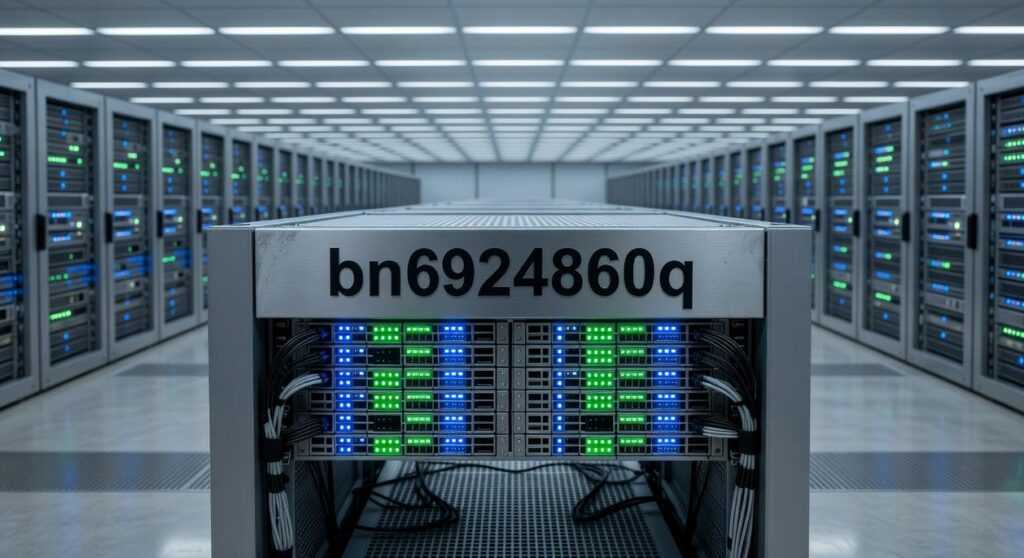
I’ve been in the automotive industry long enough to know that those random strings of letters and numbers aren’t random at all.
You’ve seen them. Maybe on a parts receipt. Maybe buried in your rental agreement. Something like bn6924860q that looks like someone smashed their keyboard.
But these codes run everything behind the scenes.
Here’s the thing: the automotive world has its own language. And if you don’t speak it, you’re at a disadvantage every time you walk into a service center or try to track down a specific part.
I break down complex automotive systems for a living at Drive Dynamos Hub. I’ve spent years translating industry jargon into something that actually makes sense to real people.
This article will show you exactly what these identifier codes mean. You’ll learn why manufacturers use them, how they’re structured, and why they matter more than you think.
We’re talking about the difference between getting the right part in two days versus waiting three weeks because someone couldn’t decode a string of characters.
No technical degree required. Just straight answers about how the system actually works.
Beyond the VIN: What Are Internal Identifier Codes?
You know your car’s VIN. That 17-character code that looks like someone fell asleep on a keyboard.
But here’s what most people don’t know.
Your car has other codes too. Secret ones. Internal identifiers that manufacturers use behind the scenes.
Think of it this way. Your VIN is like your passport. It’s public. Anyone can look it up. It tells the world who your car is.
Internal identifier codes are different.
They’re more like your car’s employee ID number. The code it uses to clock in at the factory. The number on its cafeteria lunch card (if cars ate lunch, which would be weird).
These codes serve a completely different purpose than your VIN.
They help manufacturers track inventory with surgical precision. They follow parts through the supply chain. They flag quality control issues before a vehicle ever hits the showroom floor.
Some codes are purely numeric. Others mix letters and numbers. A few even throw in special characters just to keep things interesting.
I’ve seen codes like bn6924860q that mean absolutely nothing to you or me but tell a factory worker exactly which production line assembled that specific component.
Here’s what these codes actually do:
- Track vehicles through every stage of production
- Organize fleet management for rental companies and dealerships
- Flag specific batches if a supplier sends defective parts
- Link repair histories to manufacturing data
The format changes depending on who’s using them. Toyota might use one system. Ford uses another. Your local fleet manager probably has their own setup entirely.
It’s kind of like how AI revolutionizes predictive car maintenance unveiling its impact. The technology works behind the scenes while you just see the results.
You’ll never need to know these codes as a driver. But they’re working for you anyway.
Anatomy of a Code: A Hypothetical Breakdown of ‘bn6924860q’
I’ll never forget the first time I stood in a parts warehouse and realized I had no idea what I was looking at.
Rows of bins. Thousands of components. Each one labeled with what looked like random letters and numbers.
The warehouse manager laughed when he saw my face. Then he picked up a transmission part and showed me something I use every day now.
The code told a story.
Let me show you what I mean using bn6924860q as our example. This isn’t a real part number (at least not one I’m tracking), but it’s built the same way most automotive codes work.
Here’s how I break it down.
The Prefix: Where It Comes From
Look at those first two letters: bn.
In most systems, this tells you the source. Could be a plant location like Berlin. Could be a specific manufacturer. Some companies use geographic codes while others go with facility numbers.
The point is simple. You know where it originated.
The Category Code: What Family It Belongs To
Now we hit 692.
This is usually your component category. I’ve seen systems where 600-series parts are all transmission related. Others use it for engine components. The specific number within that range gets more precise.
Think of it like area codes for car parts.
The Unique Identifier: The Individual Part
Here’s where 4860 comes in.
This is your actual part number within that category. No two parts in the same category get the same number. It’s how you tell one transmission seal from another when they look almost identical.
I’ve watched technicians pull the wrong part because they misread this section. It matters.
The Suffix: Production Details
That final q at the end?
Most people ignore it. Big mistake.
This usually marks your production batch or revision level. Sometimes it’s a quality checkpoint indicator. I’ve seen recalls that only affected parts with specific suffix letters because one batch had a defect.
(Pro tip: Always check if a recall mentions suffix codes. You might have the same part number but a different batch that’s perfectly fine.)
What You Need to Remember
Here’s the truth about codes like bn6924860q.
The exact meaning? That’s proprietary. Only the company that created it knows for sure what each segment represents. I can’t tell you definitively what bn means for this specific code without access to their internal system.
But the logic is universal.
Every segment serves a purpose. Location, category, specific part, production details. The structure lets manufacturers track millions of components without confusion.
You see this same thinking in how technology is revolutionizing automotive production. Modern systems can trace a single bolt from the factory floor to your engine bay.
Some people say these codes are too complex. That we should simplify everything.
I disagree.
The complexity is the point. When you’re building machines that travel 70 mph with families inside, you want granular tracking. You want to know exactly which part came from which batch on which day.
That warehouse manager taught me something that stuck. These aren’t random codes. They’re addresses. Each one tells you exactly where to find what you need.
Once you understand the pattern, you stop seeing chaos.
You start seeing the system.
The Real-World Impact: Where These Codes Drive the Industry
You might think part numbers are just boring admin stuff.
But these codes actually keep the entire automotive world running. And I mean that literally.
On the Assembly Line
When a manufacturer discovers a defect, they don’t recall every car they’ve built. That would cost millions.
Instead, they use unique codes to trace one faulty component back to its exact production batch. Maybe it’s a brake caliper from Tuesday morning’s second shift. Or a sensor assembly from a specific supplier run in March.
This kind of precision saves companies serious money. More importantly, it keeps you safer because they can target the actual problem instead of guessing.
In the Service Bay
Here’s where things get practical for most of us.
When your mechanic orders parts, they’re not searching for “that silver thing near the engine.” They’re punching in internal part numbers that are way more specific than generic descriptions.
Let’s say you need a fuel pump. Your car might share a platform with three other models, but each uses a slightly different pump. The code bn6924860q tells the parts system exactly which variant fits your vehicle.
No guessing. No returns. No waiting another week because they ordered the wrong part.
Technicians I’ve talked to say this cuts repair time significantly. You’re not paying labor hours while they figure out what fits.
Managing Car Rentals and Fleets
Rental companies live and die by tracking.
They assign unique identifiers to every vehicle so they can monitor service history, damage reports, and cleaning schedules. When a car comes back from a customer, the system knows if it’s due for an oil change or if the last renter reported a weird noise.
This keeps their fleets consistent and safe. You don’t want to rent a car that’s overdue for brake service.
Environmental and End-of-Life Tracking
When your car finally dies, it doesn’t just disappear.
Dismantlers and recyclers use these codes to identify materials correctly. They need to know which components contain valuable metals, which plastics can be recycled, and which fluids require special handling.
Without proper identification, recyclable materials end up in landfills. With it, the industry can actually support sustainability efforts instead of just talking about them.
The Next Generation of Automotive Tracking
I’ll be honest with you.
The old way of tracking car parts was a mess.
You had workers stamping codes into metal by hand. Reading those codes meant squinting at dirty components under bad lighting. And half the time? The stamps were so worn down you couldn’t even make out the numbers.
I’ve watched this industry long enough to know when something’s about to change for good.
From Metal Stamps to Smart Codes
QR codes and RFID tags are taking over. And it’s about time.
You scan a code in two seconds. The system pulls up the entire history of that component. No guessing. No mistakes from someone misreading a 7 as a 1.
Some people say the old stamping method was more reliable because it couldn’t be hacked or erased. They worry about digital systems failing.
But here’s my take. Physical stamps fade. They get covered in grease. They become unreadable after years of heat and vibration. That’s not reliability. That’s just what we got used to.
Blockchain is where this gets interesting. Every part gets a digital passport (reference code bn6924860q shows how unique identifiers work in practice). That record follows the component from factory to junkyard. You can’t fake it. You can’t erase it.
I think we’re just scratching the surface here.
The real game changer? AI reading all this data. Millions of component codes analyzed to spot patterns. Your car could tell you a part will fail before it actually does.
That’s not science fiction anymore. That’s next year.
The Hidden Logic That Keeps Cars Moving
I’ve shown you that bn6924860q isn’t just random letters and numbers.
It’s part of a massive system that keeps the automotive world running. Every code like this one connects to efficiency, safety, and innovation in ways most people never see.
You came here wondering what this string of characters actually meant. Now you know it’s a key to internal record-keeping that powers everything from recalls to parts tracking.
What looked meaningless before is now clear. These codes represent a complex, data-driven world operating beneath the surface of every vehicle on the road.
Here’s what matters: You’re now equipped to understand the purpose and structure behind these identifiers. You can see how they fit into the bigger picture of automotive operations.
The next time you spot a code like bn6924860q, you’ll recognize it for what it really is. A small piece of a sophisticated system that keeps millions of cars moving safely every single day.
That knowledge changes how you see the industry. And that’s exactly what you needed.